
The Signature Flavors of Turkish Cuisine
There is a moment that happens to almost everyone the first time they eat real Turkish food. You take a bite of a properly seasoned kebab, or scoop up a bit of freshly made hummus with warm pita, and something about the flavor stops you. It is familiar enough to feel comfortable but complex enough to make you want another bite just to figure out what you are actually tasting. That experience is not accidental. It is the result of a cooking tradition that has been developing for centuries, shaped by geography, trade, culture, and an approach to flavor that is unlike anything else in the world.
Turkish cuisine is one of the great food traditions on the planet, and yet many people in the United States have only scratched the surface of what it offers. This guide gets into the real signature flavors of Turkish food, what creates them, how they show up in actual dishes, and why this cuisine has built such a loyal following among food lovers in cities like San Francisco.
What Makes Turkish Flavor Different from Everything Else
Turkish food sits at a crossroads. Geographically, Turkey connects Europe, Central Asia, and the Middle East, and centuries of trade, migration, and cultural exchange have all left their mark on the food. The Ottoman Empire, which ruled for over 600 years and stretched across three continents, developed palace kitchens that refined Turkish cuisine into something extraordinarily sophisticated. What we eat today at a Turkish restaurant carries that history in every dish.
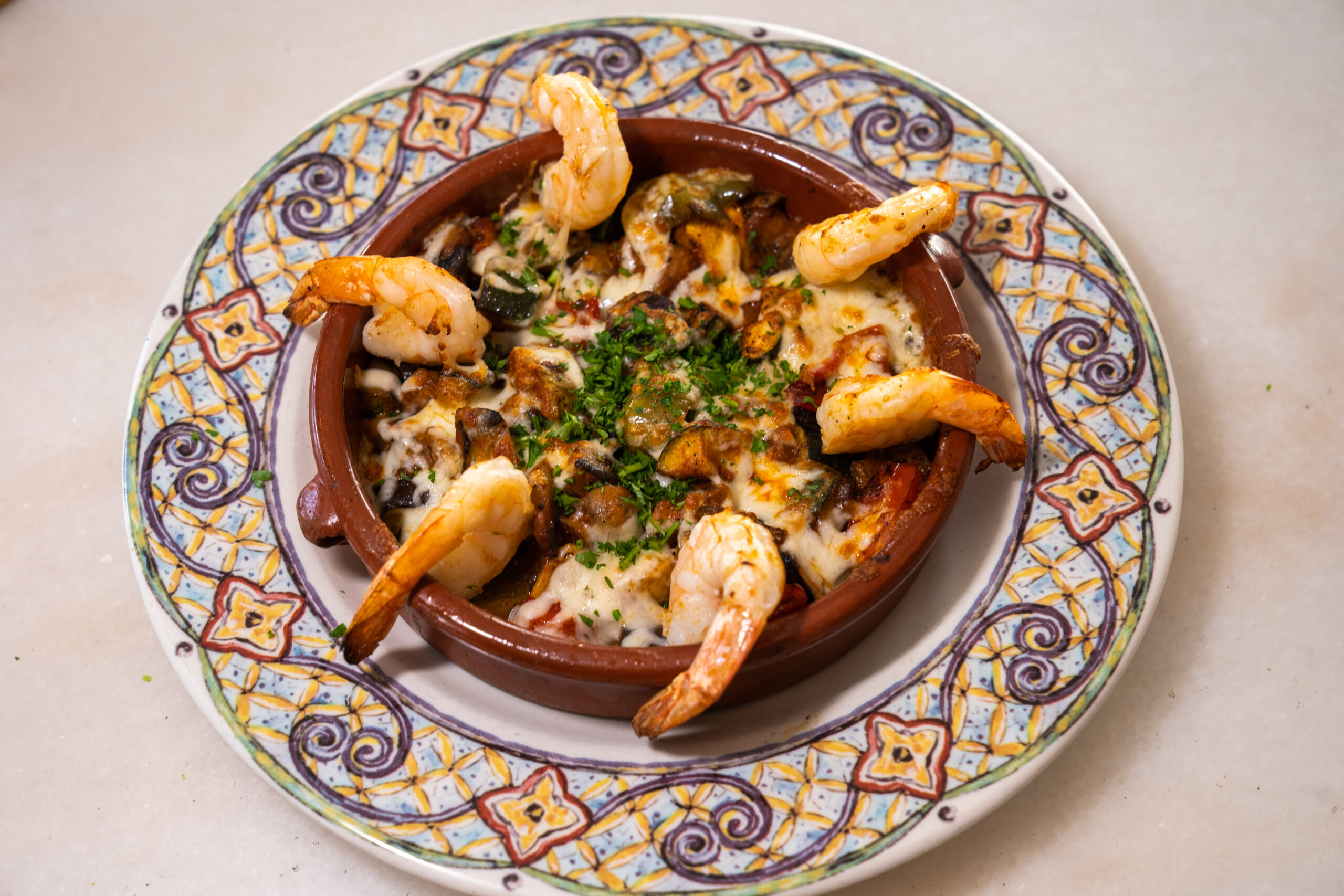
The flavor of Turkish food is built on balance more than intensity. The goal is never to overwhelm with heat or to drown ingredients in sauce. Instead, Turkish cooking layers warm spices, bright acids, fresh herbs, and charred meat in ways that complement each other. Each element does its job without overpowering the others. That is why a good Turkish kebab tastes complex even though the ingredient list is short. The balance is doing the work.
Smoke is one of the most recognizable flavors in Turkish cuisine. Grilling over an open flame or charcoal is the dominant cooking method for meat, and the char that develops on the outside of a kebab is not just texture. It is flavor. The fat from the meat drips onto the coals and comes back up as smoke, coating the meat in a layer of flavor that no oven or pan can replicate. This is one of the main reasons grilled kebabs in San Francisco taste different at restaurants that use real charcoal versus those that use gas or flat-top grills.
Acidity plays a big role too, often in ways that are subtle rather than obvious. Sumac, a tart dried berry ground into a deep red powder, gets sprinkled over salads, kebabs, and mezze dishes to add a lemony brightness without any actual citrus. Fresh lemon juice squeezes into marinades, dips, and salad dressings. Yogurt, which is acidic by nature, appears as a marinade, a sauce, and a standalone side dish. All of this acidity cuts through the richness of grilled meat and fat, keeping the food feeling clean and light even when the flavors are bold.
Warmth from spices rounds out the flavor profile without tipping into heat. Cumin, allspice, coriander, and dried mint provide a low, steady warmth that you feel in your chest rather than on your tongue. These spices make food feel satisfying and grounding. They are the reason Turkish food often feels comforting even on a first encounter.
The Flavor Pillars You Will Find in Every Turkish Dish
Every cuisine has a set of core flavors that show up across most of its dishes. In French cooking it might be butter, wine, and herbs. In Japanese cuisine it might be umami, dashi, and soy. In Turkish cuisine, the pillars are charred meat, tangy dairy, warm spice, fresh herb, and bright acid. Understanding those five elements gives you a framework for reading any Turkish menu and knowing what to expect.
Charred meat is the most iconic. Whether it is a skewer of shish kebab with crispy edges and a juicy center, a plate of döner shaved from a slow-rotating vertical spit, or a lamb gyro where the meat picks up a slight char from the heat, grilled protein is at the heart of Turkish dining. The Maillard reaction, which is the chemical process that creates that golden-brown crust on cooked meat, produces hundreds of flavor compounds. Turkish cooks have been using this reaction over open fire for a very long time.
Tangy dairy, primarily in the form of yogurt, is everywhere. It gets stirred into marinades to tenderize meat. It gets served cold alongside spiced dishes to provide contrast. It gets mixed with garlic and cucumber to make cacik, the Turkish version of tzatziki. The tanginess of yogurt balances the richness of lamb and beef in a way that feels intentional, because it is. Turkish cooks have always understood that fat needs acid to taste complete.
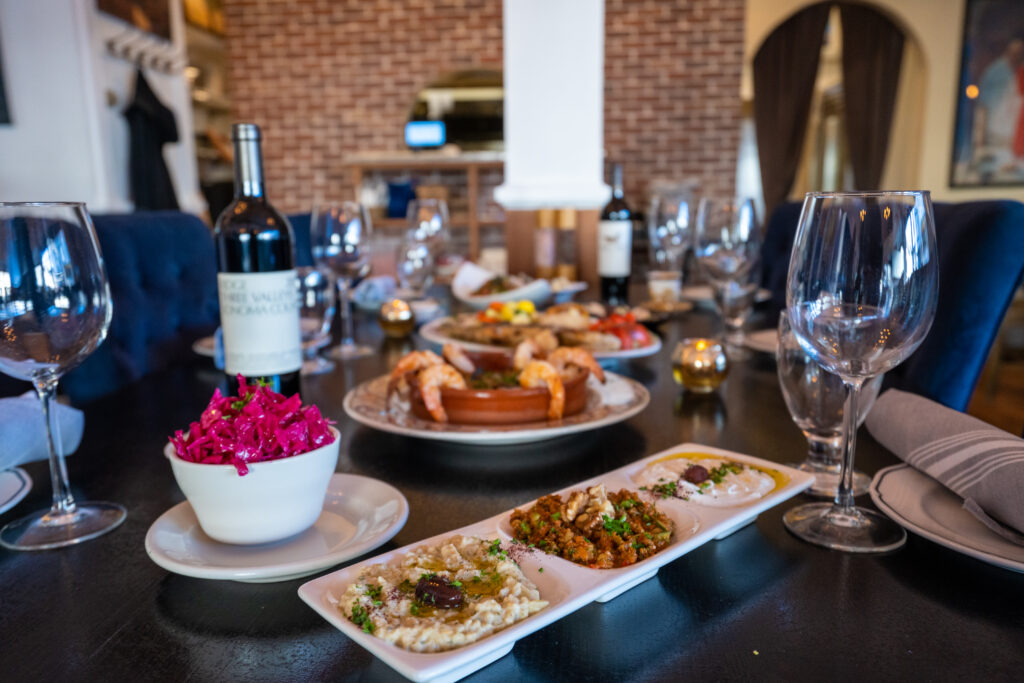
Fresh herbs, especially parsley, mint, and dill, provide the bright, green top note that lifts the whole flavor profile. A plate of kebabs without fresh parsley on the side or chopped into the salad feels flatter and heavier. The herbs do not just add color. They add a clean, vegetal contrast that makes the meat and spices taste more vivid by comparison.
Warm bread, typically pita or lavash, is the final piece of the flavor picture. Freshly baked, slightly charred flatbread adds its own toasty, yeasty flavor to every bite. It carries the other flavors and softens the sharpness of the acid and spice. Warm pita with hummus is a complete flavor experience on its own, combining the creaminess of the chickpea dip, the nuttiness of the tahini, the brightness of lemon, and the gentle char of the bread.
Signature Turkish Dishes and the Flavors Behind Them
Knowing the flavor pillars is useful. Seeing how they show up in real dishes makes the whole picture clearer.
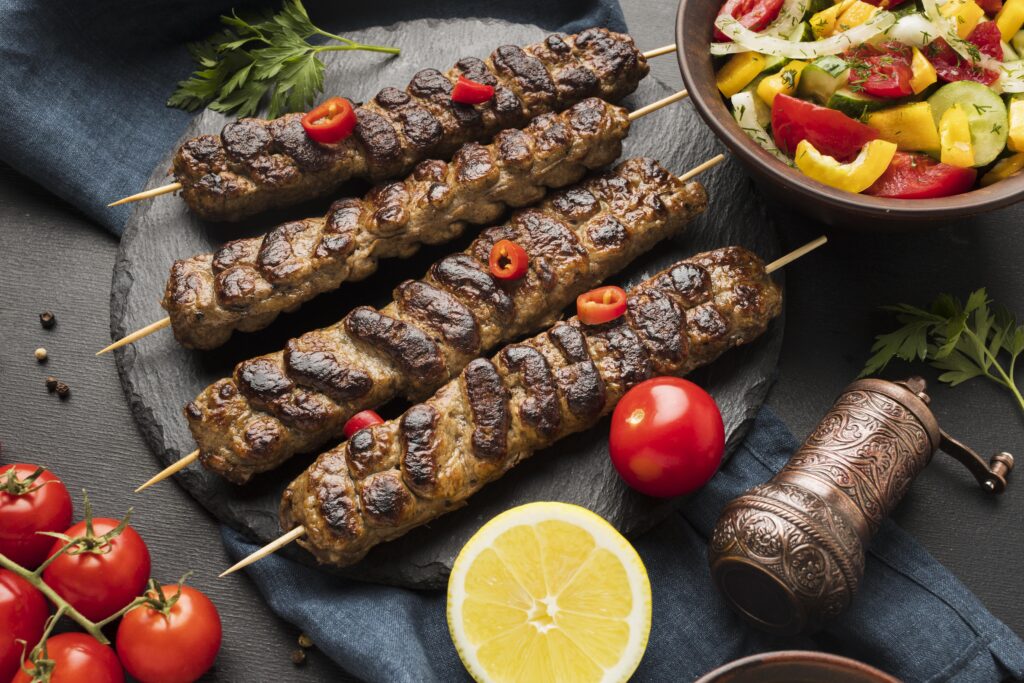
Adana kebab is ground lamb or beef pressed onto a wide flat skewer and grilled over high heat. The flavor is bold and slightly spicy from red pepper flakes, with a smoky char on the outside and a juicy, rich interior. Served with grilled tomato, flatbread, and a sprinkle of sumac-dusted onion, it is one of the most complete expressions of Turkish flavor in a single dish.
Döner kebab is slow-cooked meat on a vertical rotating spit, shaved off in thin slices as the outer layer cooks. The genius of döner is that the meat continuously self-bastes. As the fat melts from the top, it runs down the column of meat and keeps every layer moist. The outer slices are crispy and intensely flavored. The inner meat is tender and juicy. Served in a wrap with fresh vegetables and sauce, this is one of the defining dishes of Turkish and broader Mediterranean street food.
Hummus in a Turkish context is made from slow-cooked chickpeas blended with tahini, lemon, garlic, and olive oil. Good Turkish hummus is smoother and creamier than most commercial versions, with a more pronounced tahini flavor and a cleaner finish. A drizzle of olive oil and a pinch of paprika or sumac on top adds the last layer of flavor before it reaches the table.
Here are a few more dishes where Turkish signature flavors show up clearly:
- Köfte, spiced ground meat patties grilled until the outside is crispy and the inside stays soft and juicy, show off the cumin and allspice profile that defines Turkish meat seasoning.
- Cacik, the cold yogurt and cucumber dip, demonstrates how tangy dairy works as a foil to rich, spiced food.
- Mercimek çorbası, red lentil soup finished with dried mint and a drizzle of butter infused with red pepper, shows the warm, comforting side of the Turkish spice tradition.
Experiencing Turkish Flavors in San Francisco
San Francisco has a food culture that takes cuisine seriously, and Bay Area foodies who care about authenticity have found real options for Turkish and Mediterranean food across the city. Anyone searching for the best Mediterranean restaurants in San Francisco or looking for authentic Turkish food in the area will find that the scene rewards careful exploration.
Presidio Kebab Mediterranean Restaurant near the Presidio is one of the most consistent spots for experiencing genuine Turkish and Mediterranean flavors in the Bay Area. The menu includes grilled kebabs, döner, hummus, warm pita, gyro sandwiches, Mediterranean platters, and fresh salads. The dishes reflect the same flavor principles discussed in this guide, charred meat, tangy dairy, warm spice, fresh herb, and bright acid working together in every plate.
The restaurant works well for a range of dining situations. Families looking for family-friendly restaurants in the Presidio will find the menu broad and accessible. Anyone looking for the best takeout Mediterranean food in SF can order kebab plates and wraps that travel well and hold their flavor. For Bay Area eats that are both satisfying and genuinely well-made, it is a strong choice across lunch, dinner, or a casual weeknight pickup.
Presidio Kebab Mediterranean Restaurant is also a natural fit for anyone exploring gourmet Mediterranean dining without a lot of pretense. The food is honest, the flavors are real, and the experience of eating a properly made Turkish kebab or a bowl of fresh hummus with warm bread makes the whole appeal of this cuisine immediately clear.
Turkish food rewards attention. The more you pay attention to what you are tasting, the more you pick up. The smoke, the spice, the acid, the herb, the bread. Each element has a role, and when they all come together in a single bite, you get a sense of why this cuisine has been loved for so long and why it continues to find new fans in cities like San Francisco every single day.