
Mediterranean Kebab Styles: What’s the Difference?
Most people have eaten a kebab at some point, but far fewer people realize how many different things that word actually covers. Ask someone in Istanbul what a kebab is and you will get a very different answer than if you ask someone in Beirut, Athens, or Tehran. The word itself simply means meat cooked over fire, and that definition is broad enough to include dozens of distinct preparations, each with its own spice blend, cut of meat, cooking technique, and cultural history behind it.
If you have ever sat down at a Turkish or Mediterranean restaurant menu and wondered what the difference is between a shish kebab and an adana kebab, or why döner and gyro seem similar but taste different, this guide will make it all clear. Understanding the main kebab styles found across Mediterranean and Middle Eastern cooking helps you order more confidently, appreciate what you are eating, and get more out of every visit to a restaurant that takes this food seriously.
Why Kebab Styles Vary So Much Across the Mediterranean
The variation in kebab styles across Mediterranean and Middle Eastern cuisine comes from centuries of regional cooking traditions developing independently while sharing a common foundation. Turkey, Lebanon, Syria, Greece, Iran, and the broader Middle Eastern world all have their own approaches to seasoning, cutting, and cooking meat over fire. Trade routes, cultural exchange, and the movement of people across the Ottoman Empire helped spread certain styles widely, while regional ingredients and local preferences kept others specific to particular areas.
The type of meat available in each region influenced the style of kebab that developed there. Lamb has historically been the most common meat across the Eastern Mediterranean and Middle East, which is why it forms the base of so many classic kebab preparations. Chicken became widely used across the region as a leaner alternative. Beef appears in certain styles, sometimes mixed with lamb to balance fat content and flavor. The cut of meat matters too. Whole cubed pieces behave differently on a skewer than ground meat, and each requires its own technique to cook well.
Spice traditions are the other major variable. A Turkish adana kebab uses red pepper flakes and cumin. An Iranian koobideh might use saffron, turmeric, and grated onion. A Lebanese kafta uses seven-spice blend and fresh herbs. The fire and the skewer are the same. Everything else reflects the distinct food culture of the region it comes from.
The Major Kebab Styles You Will Find on Mediterranean Menus
These are the most important and widely available kebab styles across Turkish and Mediterranean restaurants, including what makes each one distinct in terms of meat, preparation, and flavor.
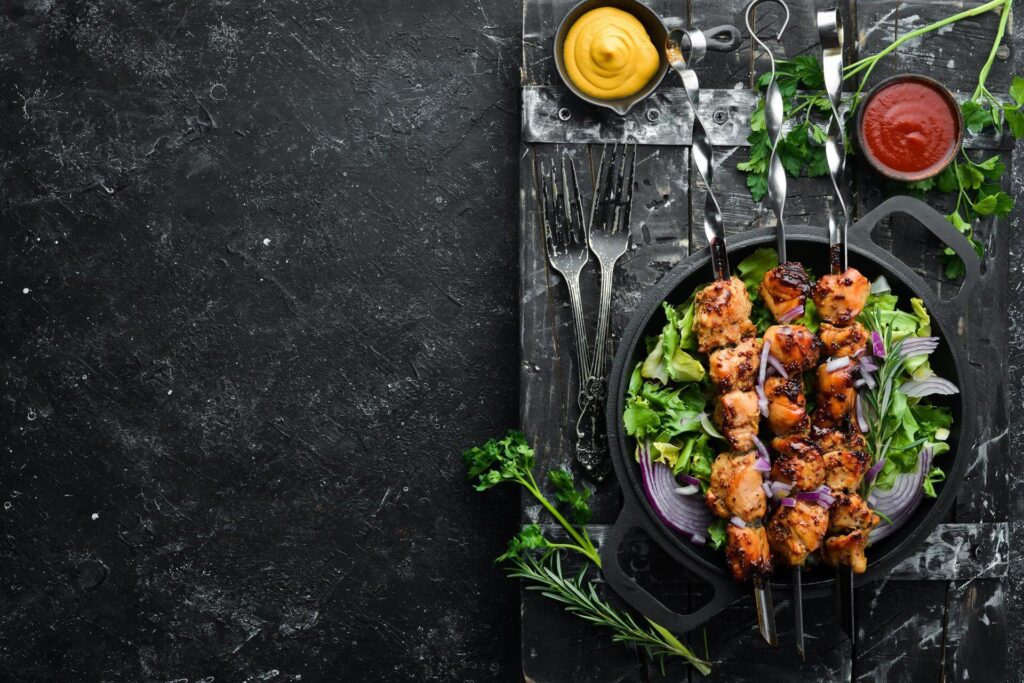
Shish kebab is probably the most universally recognized style. The name comes from the Turkish words for skewer and meat, and the preparation is straightforward. Cubed pieces of lamb, chicken, or beef are marinated in a blend of olive oil, lemon, garlic, and spices, then threaded onto a metal skewer and grilled over high heat. The goal is to develop good color and slight char on the outside while keeping the interior juicy.
A well-made shish kebab has a visible crust from the marinade caramelizing on the hot grill, and the cubes hold together with a texture that is firm on the outside and tender inside. Chicken shish and lamb shish are the most common versions, and both are popular at Turkish restaurants across San Francisco.
Adana kebab is one of the most beloved Turkish kebab styles and is quite different from shish despite both being grilled on skewers. Adana is made from ground lamb or a lamb and beef mix, heavily seasoned with red pepper flakes, cumin, and garlic, then hand-kneaded and pressed onto wide flat skewers by hand. The technique of pressing the meat onto a flat skewer rather than forming it into a shape is what gives adana its distinctive elongated form and slightly loose, crumbly texture once cooked.
The outside chars and crisps on the grill while the inside stays soft and juicy. Adana has a bolder, spicier flavor than most other kebab styles, and it is one of the dishes that best represents the distinctive spice depth of Turkish cuisine.
Köfte refers to ground meat preparations that are shaped and cooked in various ways. On a skewer over a grill, köfte looks similar to adana but is typically less spicy and uses a broader mix of spices including allspice and cinnamon alongside cumin and pepper. Köfte can also be shaped into round patties and cooked on a flat griddle, formed into small balls and simmered in tomato sauce, or mixed with bulgur wheat to create versions like içli köfte.
The word köfte itself just means formed or shaped meat, so the variations are enormous. At a Turkish or Middle Eastern restaurant, grilled köfte on a skewer served with rice, salad, and warm pita is one of the most satisfying and complete meals on any menu.
Döner kebab is structurally the most different from all other kebab styles. Instead of meat on a skewer held horizontally over a grill, döner uses meat stacked in layers on a vertical rotating spit and cooked slowly by a heat source positioned beside it. As the outer surface of the meat reaches the right temperature, it gets shaved off in thin slices and served immediately. The vertical rotation and self-basting effect, where fat from the upper portions of the meat column drips down continuously, creates an outer layer that is intensely flavored, slightly crispy, and deeply caramelized, while the inner meat stays moist and tender.
Döner is typically made from seasoned lamb, beef, or chicken, and the spice blend used varies by region and restaurant. When it is served in a wrap with fresh vegetables and sauce, it becomes what most people in the Western world know as a gyro.
Gyro is the Greek evolution of the döner concept and the two are closely related in both technique and history. The primary differences come down to the spice blend used to season the meat and the style of bread and accompaniments. A Turkish döner tends to use a warmer spice profile with allspice, cumin, and red pepper, while a Greek gyro is often seasoned with oregano and garlic.
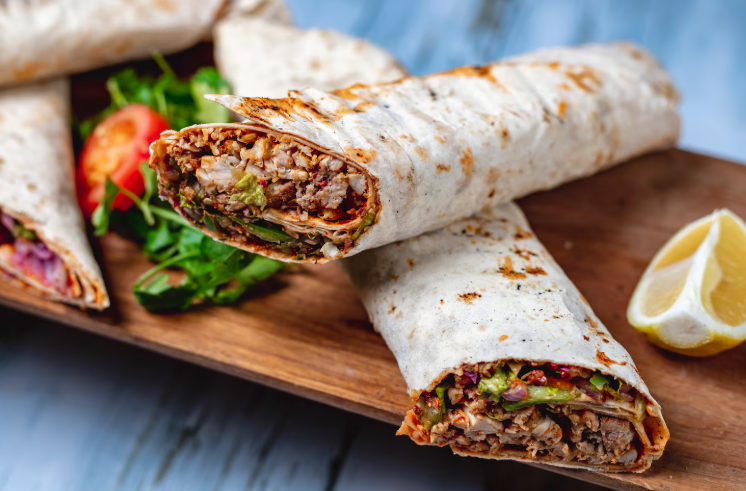
The bread used for a Greek gyro is typically a softer, puffier pita, and the standard accompaniments include tzatziki, tomato, and onion. At many Turkish and Mediterranean restaurants in San Francisco, the terms döner and gyro appear on the same menu and are often used interchangeably, though a restaurant committed to authenticity will reflect the distinction in the seasoning.
Shawarma is the Middle Eastern version of the vertical spit concept and shares the same cooking method as döner but uses a different spice profile. Shawarma meat is typically seasoned with allspice, cinnamon, turmeric, coriander, and garlic. It is served with garlic sauce or tahini rather than yogurt-based sauces, and the accompaniments often include pickled vegetables and fresh herbs. Lebanese and Syrian shawarma in particular has a slightly sweeter, warmer spice character compared to Turkish döner, reflecting the different spice traditions of those regions.
Here are a few additional kebab styles worth knowing when you encounter them on a menu:
- Chicken kebab refers to any of the above preparations made with chicken rather than lamb or beef, and is popular as a leaner option for anyone looking for healthy Mediterranean food in San Francisco.
- Lula kebab is an Iranian style similar to adana, made from ground lamb seasoned simply with onion, salt, and pepper, and cooked on a flat skewer. The flavor is cleaner and less spiced than adana but deeply satisfying.
- Mixed grill platters at Turkish and Mediterranean restaurants typically include two or three different kebab styles together on one plate, which is a great way to compare the flavor differences directly.
How to Order and What to Expect
Knowing the different styles gives you a real advantage when you sit down at a Mediterranean or Turkish restaurant. If you want whole pieces of well-marinated meat with a good char, shish is the right choice. If you want bold spice and the satisfying texture of well-seasoned ground meat, adana or köfte delivers that. If you want the ease and satisfaction of thinly sliced meat in a warm wrap with fresh vegetables and sauce, döner or a gyro sandwich is the move.
At restaurants that do this food well, the quality of the fire matters as much as the seasoning. Real charcoal or wood produces a smokiness that gas grills cannot fully replicate, and that smoke is part of what makes grilled kebabs in San Francisco at the better spots taste noticeably different from versions made without it. If you are ordering takeout, kebab plates travel well because the meat holds its flavor and moisture for a reasonable amount of time after cooking.
Presidio Kebab Mediterranean Restaurant near the Presidio is a well-regarded spot for anyone searching for authentic kebab styles done properly in San Francisco. The menu covers Turkish kebabs, döner, gyro sandwiches, Mediterranean platters, hummus, warm pita, fresh salads, and wraps. It is one of the more consistent options for Bay Area foodies who want to experience the range of Mediterranean kebab traditions in one place.
The restaurant works well across different occasions. Families looking for family-friendly restaurants in the Presidio will find the menu broad and approachable. Anyone who wants the best takeout Mediterranean food in SF can order kebab plates and wraps that hold up well after pickup. For groups who want to explore different styles, a shared mixed grill platter gives everyone a chance to taste the range side by side.
Presidio Kebab Mediterranean Restaurant is also a good fit for anyone who wants to dine local in San Francisco and experience halal Mediterranean food made with real attention to the traditions behind each dish.
Kebabs are one of the great food traditions of the world, and the range of styles across Turkish and Mediterranean cuisine is far wider than most people realize. Each one reflects a specific region, a specific culture, and a specific way of thinking about how fire and seasoning can transform meat into something genuinely memorable. Once you know the differences, every kebab you order becomes a little more interesting.