
Health Benefits of Olive Oil
If there is one ingredient that holds Mediterranean cuisine together across every country, every region, and every style of cooking, it is olive oil. Spanish, Italian, Greek, Turkish, Lebanese, it does not matter where the dish comes from. If it falls within the Mediterranean food tradition, olive oil is almost certainly involved. It is used for cooking, dressing, dipping, finishing, and preserving. It is the fat that the entire cuisine is built on, and it has been that way for thousands of years.
What makes olive oil worth talking about beyond its culinary role is the growing body of research supporting its health benefits. This is not a recent wellness trend. Olive oil has been used medicinally and nutritionally since ancient times, and modern science has spent decades studying why the people who consume it regularly tend to live longer and experience lower rates of chronic disease than populations that rely on other fats. The findings are consistent and convincing. Olive oil is genuinely good for you, and understanding why makes it easier to appreciate every dish that contains it.
What Olive Oil Actually Contains
The health profile of olive oil starts with its composition. Extra virgin olive oil, which is the least processed and highest quality form, is made up predominantly of monounsaturated fat, specifically a fatty acid called oleic acid. Monounsaturated fats have been shown in multiple studies to support healthy cholesterol levels by reducing LDL, the kind associated with heart disease, while maintaining or improving HDL, the kind associated with heart protection. This fat profile is a big part of why olive oil has been studied so extensively in connection with cardiovascular health.
Beyond the fat content, extra virgin olive oil contains a significant concentration of polyphenols, which are plant-based antioxidant compounds that protect cells from oxidative damage. The two most studied polyphenols in olive oil are oleocanthal and oleuropein. Oleocanthal has demonstrated anti-inflammatory effects in laboratory studies that are structurally similar to the effects of ibuprofen, though at normal dietary doses the magnitude is much smaller. Oleuropein has been associated with lower blood pressure and improved cardiovascular function in several studies.
Olive oil also contains vitamin E and vitamin K in meaningful amounts. Vitamin E is a fat-soluble antioxidant that supports immune function and skin health. Vitamin K plays a role in blood clotting and bone metabolism. While olive oil is not a supplement and should not be thought of as one, the nutritional content it contributes to a diet that uses it regularly adds up to something genuinely valuable over time.
The key phrase when talking about olive oil quality is extra virgin. Extra virgin means the oil was produced by cold pressing the olives without heat or chemical processing. This preserves the polyphenol content and the flavor compounds that make quality olive oil taste the way it does. Regular olive oil and light olive oil have been processed in ways that reduce both the flavor and the polyphenol content significantly. If the health benefits of olive oil are part of why you are consuming it, extra virgin is the only version that delivers the full picture.
The Health Benefits Backed by Research
The research on olive oil spans several decades and covers a wide range of health outcomes. The results are more consistent than for almost any other single food ingredient that has been studied, which is part of why dietitians, cardiologists, and nutrition researchers tend to speak about it so positively.
Heart health is where the evidence is strongest. The predimed study, one of the largest nutrition intervention trials ever conducted, followed thousands of participants over multiple years and found that a Mediterranean diet supplemented with extra virgin olive oil reduced the rate of major cardiovascular events by around 30 percent compared to a low-fat control diet. That is a meaningful finding, and it placed olive oil at the center of serious scientific discussion about dietary fat and heart disease.
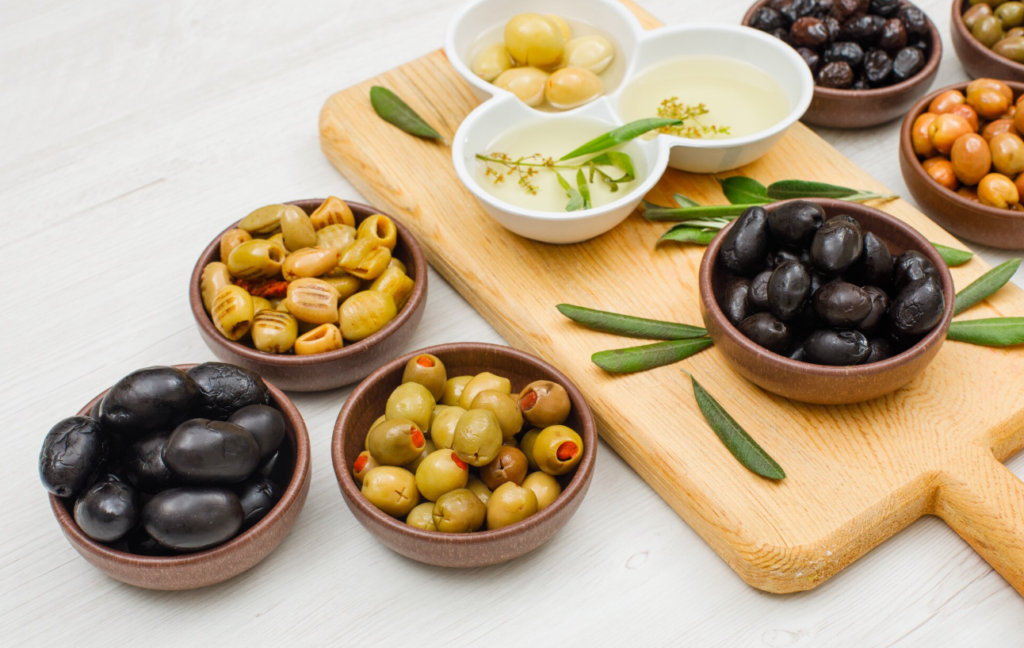
Inflammation reduction is another well-documented benefit. Chronic low-grade inflammation is associated with a wide range of conditions including type 2 diabetes, certain cancers, arthritis, and neurodegenerative diseases. The oleocanthal in extra virgin olive oil has been shown in laboratory and observational studies to inhibit inflammatory pathways in the body. Diets high in olive oil consumption, like those followed across Mediterranean countries, are consistently associated with lower inflammatory markers in population studies.
Blood sugar regulation and type 2 diabetes prevention are also areas where olive oil shows a meaningful effect. Research has found that olive oil can improve insulin sensitivity and help moderate blood sugar responses after meals. When consumed as part of a diet that is already relatively low in refined carbohydrates and processed foods, like a traditional Mediterranean eating pattern, the blood sugar benefits are amplified by the overall dietary context.
Brain health is a more recent area of research but one that is developing quickly. Studies have found associations between higher olive oil consumption and lower rates of cognitive decline in older adults. Some researchers believe the polyphenols in olive oil may help protect neurons from oxidative damage and reduce the accumulation of proteins associated with Alzheimer’s disease, though the research is still ongoing and not yet at the level of established clinical guidance.
Here are a few additional health benefits that come up consistently in olive oil research:
- Regular olive oil consumption has been linked to lower blood pressure in multiple observational studies and some intervention trials.
- The antioxidants in extra virgin olive oil may help protect LDL cholesterol from oxidation, which is the process that makes it more likely to contribute to arterial plaque.
- Olive oil appears to support healthy gut bacteria composition, which connects to broader digestive health and immune function.
- Some research has found associations between olive oil consumption and reduced risk of certain cancers, particularly breast and colorectal cancer, though more research is needed to establish clear causal relationships.
How Olive Oil Fits Into Mediterranean and Turkish Cuisine
Understanding the health benefits of olive oil is one thing. Seeing how naturally it flows through Turkish and Mediterranean cooking helps you appreciate why this cuisine consistently comes out so well in nutritional research.
In Turkish food, olive oil is used at every stage of cooking. Vegetables get braised in it slowly, a preparation style called zeytinyagli that produces dishes where the produce absorbs the oil over low heat and develops a rich, complex flavor. Salads get dressed with it simply, alongside lemon juice and fresh herbs. Hummus gets drizzled with it as a finishing touch. Dips get stirred together with it as a primary ingredient. Grilled meats get brushed with it before going on the fire.
This is not incidental. Turkish cooks have known for a very long time that olive oil makes food taste better, keeps it moist, and carries the flavors of herbs and spices more effectively than any other fat. The fact that it also happens to be one of the healthiest fats available is a bonus that modern nutrition science has confirmed but that Mediterranean cooks have been acting on for centuries without needing a clinical study to tell them.
Hummus is a perfect example of olive oil’s role in this cuisine. The base of hummus is chickpeas blended with tahini, lemon, and garlic. But the olive oil drizzled on top is not just decoration. It adds richness, carries the flavor of the paprika or za’atar sprinkled alongside it, and makes the dip taste complete in a way it simply does not without it. That same principle applies across dozens of Turkish and Mediterranean dishes.
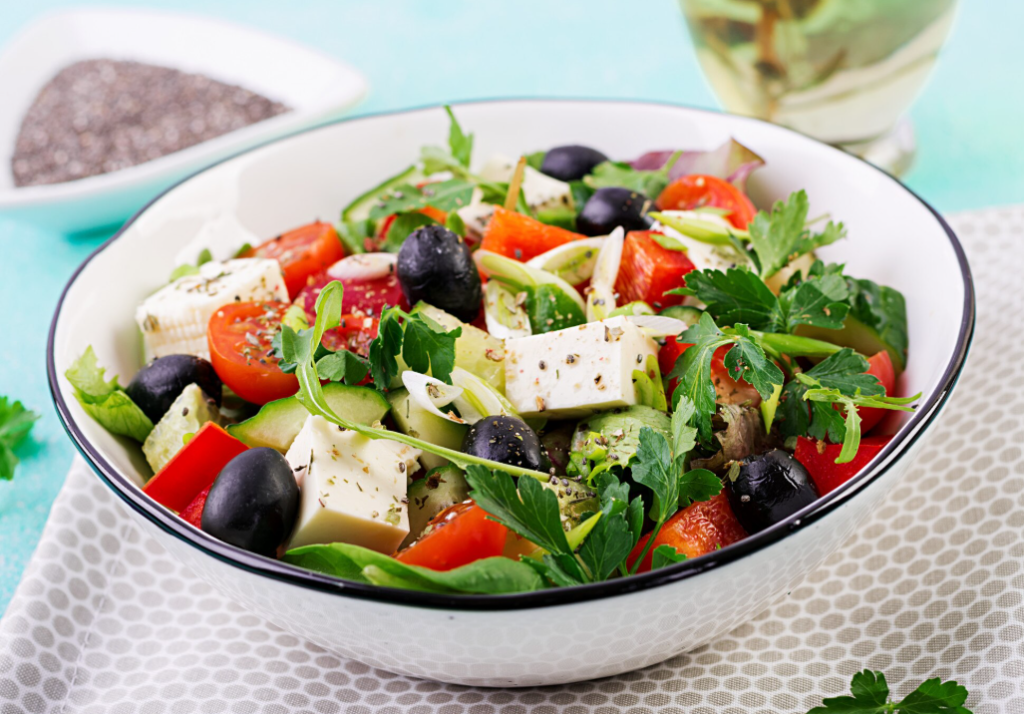
When you eat a plate of grilled kebabs at a restaurant that uses good olive oil in its cooking, or scoop hummus with warm pita, or dress a fresh salad with an olive oil and lemon vinaigrette, you are consuming the ingredient that researchers have spent decades studying. The health benefits are built into the food. You do not need to think about them separately.
San Francisco has a genuine appreciation for quality ingredients and thoughtful cooking, which makes it a good city for experiencing Mediterranean cuisine done properly. Bay Area foodies who care about what goes into their food have a range of options for Turkish and Mediterranean restaurants, and the quality varies enough that it is worth seeking out places that take their ingredients seriously.
Presidio Kebab Mediterranean Restaurant near the Presidio is a well-regarded option for Turkish and Mediterranean food in San Francisco. The menu covers grilled kebabs, döner, hummus, warm pita, gyro sandwiches, Mediterranean platters, fresh salads, and wraps. Olive oil runs through the preparation of most of these dishes, whether in marinades for the grilled proteins, dressings for the fresh salads, or as a finishing drizzle over the hummus that comes to the table.
The restaurant is a good fit for anyone looking for healthy Mediterranean food in San Francisco who also wants a satisfying, flavorful meal rather than a compromise. The two things go together naturally here. Families looking for family-friendly restaurants in the Presidio will find the menu broad and approachable. Anyone who wants the best takeout Mediterranean food in SF on a busy night will find that the dishes hold their quality well after pickup.
Presidio Kebab Mediterranean Restaurant is also a solid choice for Bay Area foodies who want to dine local in San Francisco and experience the kind of cooking that puts good ingredients at the center of everything rather than masking them with heavy sauces or excessive processing.
Olive oil has earned its place as one of the most valuable ingredients in the world through centuries of culinary use and decades of scientific study. Eating food built around it, the way Turkish and Mediterranean cuisine has always been, is one of the most natural and enjoyable ways to make it a regular part of your diet. The health benefits are real, the food is genuinely delicious, and the two facts are not a coincidence.