
Why the Mediterranean Diet Is a Great Choice for Athletes
Athletes think about food differently than most people. Every meal is a decision about fuel, recovery, inflammation, and performance. What goes in before a training session affects how hard you can push. What goes in after affects how quickly you bounce back. Over time, the overall pattern of what you eat shapes your energy levels, your body composition, your injury risk, and your long-term health. That is a lot of pressure to put on a plate of food.
The Mediterranean diet handles that pressure better than most eating patterns, and the sports science community has started to take serious notice. What began as a diet studied for heart health and longevity has increasingly shown up in research on athletic performance, muscle recovery, and inflammation management.
What Athletes Actually Need from Their Food
Before getting into the specific benefits of Mediterranean cuisine, it helps to understand what athletes genuinely need from their diet beyond the basics that apply to everyone.
Energy availability is the first priority. Athletes burn through carbohydrates and fat at higher rates than sedentary people, and they need consistent, sustained energy rather than quick spikes followed by crashes. Foods that release energy slowly, like legumes, whole grains, and vegetables, are more valuable to an athlete than foods that spike blood sugar and drop off quickly.
Protein for muscle repair and growth is the second priority. Every training session creates microscopic damage to muscle fibers, and the body rebuilds them stronger during recovery. That rebuilding process requires adequate protein, specifically the complete amino acid profiles found in animal proteins like chicken, lamb, and fish, or combinations of plant proteins that together cover all essential amino acids.
Inflammation management is the third factor, and it is one that many athletes overlook until they start dealing with chronic soreness, slow recovery, or recurring injuries. Intense exercise creates inflammatory responses in the body. Some inflammation is normal and part of the adaptation process. But when the diet does nothing to counterbalance it, the inflammation can become chronic and start interfering with performance and recovery.
Micronutrients, including vitamins, minerals, and antioxidants, support every biochemical process involved in exercise performance. Iron for oxygen transport, magnesium for muscle function, potassium for electrolyte balance, and antioxidants for cellular protection all matter more for an athlete than for someone with a sedentary lifestyle.
Mediterranean cuisine addresses all four of these needs in ways that feel natural rather than like meal planning from a textbook.
How Mediterranean Food Delivers for Athletic Performance
The Mediterranean diet’s athletic benefits start with its carbohydrate sources. This is not a low-carb diet. It is a smart-carb diet. The carbohydrates in Mediterranean food come primarily from legumes, whole grains, vegetables, and flatbreads, all of which have a lower glycemic index than refined flour products or processed foods. Lower glycemic carbohydrates release glucose into the bloodstream more slowly, providing the sustained energy that athletes need for endurance training and extended performance rather than a quick hit that fades.
Chickpeas, which form the base of hummus and appear in dozens of Turkish and Mediterranean dishes, are an excellent example. They are high in complex carbohydrates and fiber, which means they digest slowly and keep blood sugar stable. They also contribute plant-based protein, making them a nutritionally dense ingredient that serves multiple athletic goals simultaneously. A bowl of hummus with warm pita before a training session provides both carbohydrate fuel and a meaningful amount of protein without the heaviness of a meat-based pre-workout meal.
The protein sources in Turkish and Mediterranean cuisine are particularly well suited to athletic needs. Grilled chicken kebab, lamb shish, and döner are all lean protein preparations that deliver high-quality complete amino acid profiles without excessive saturated fat. Grilling as a cooking method preserves the protein content of the meat while letting excess fat drip away. A grilled chicken or lamb kebab plate with rice and salad is a genuinely effective post-workout meal. It covers protein for muscle repair, carbohydrates for glycogen replenishment, and vegetables for micronutrient density, all in one satisfying plate.
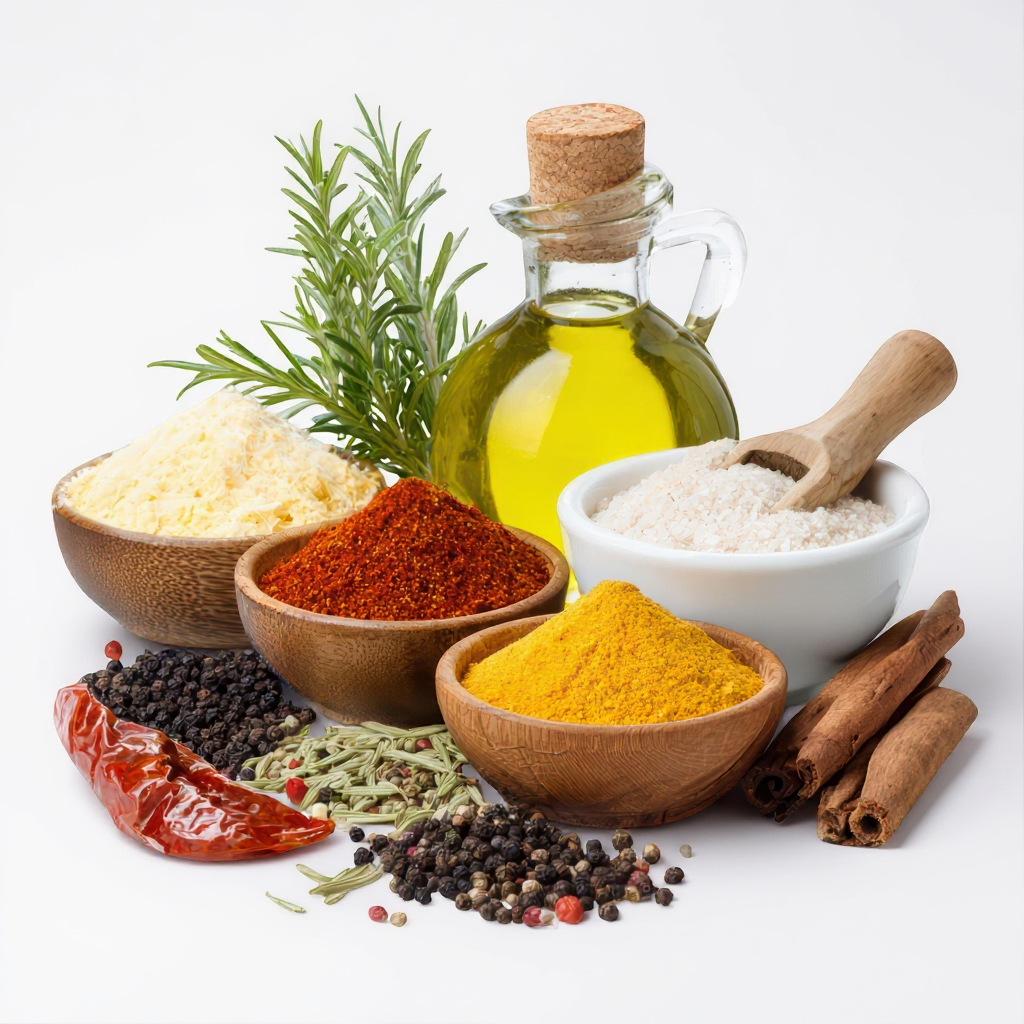
Olive oil, which runs through nearly every aspect of Mediterranean cooking, is one of the most well-studied anti-inflammatory foods available. Its monounsaturated fat content and high polyphenol concentration, particularly compounds like oleocanthal, have demonstrated anti-inflammatory effects in research that are directly relevant to athletes dealing with exercise-induced inflammation. Using olive oil as the primary fat in cooking rather than butter or processed oils means that every meal contributes to inflammation management rather than adding to it.
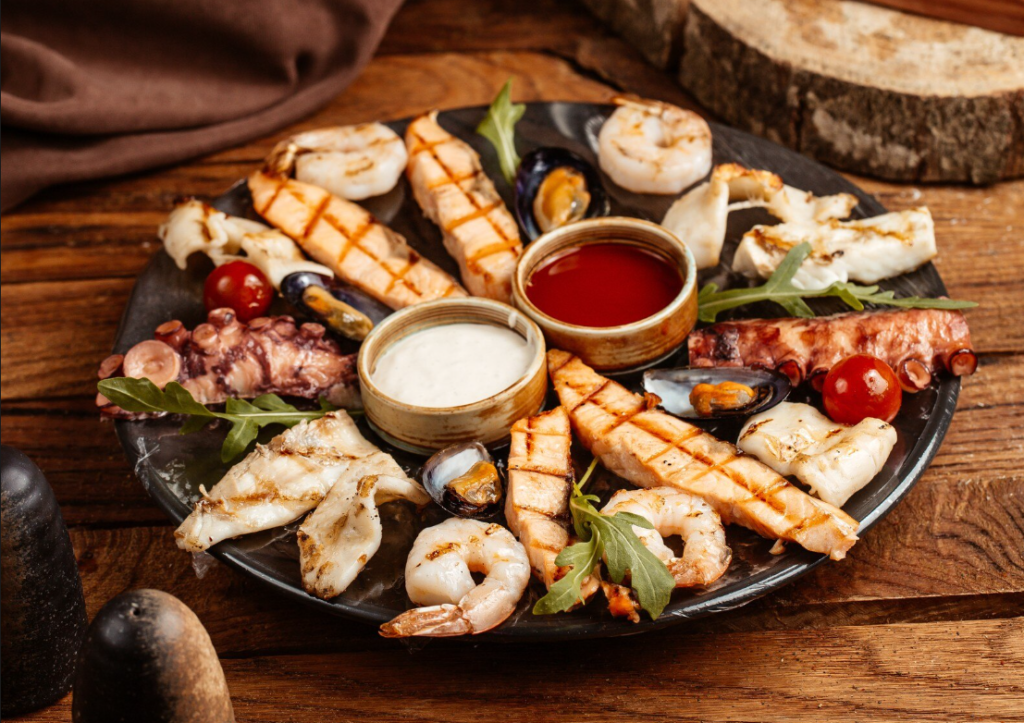
Fish, when it appears on Mediterranean menus, adds omega-3 fatty acids to the dietary picture. Omega-3s have strong anti-inflammatory properties and have been connected to faster muscle recovery, better joint health, and improved cardiovascular function, all of which matter for athletic performance over time. Even for athletes eating primarily at Turkish restaurants where fish may not be the centerpiece, the overall anti-inflammatory profile of the diet from olive oil, legumes, and fresh vegetables provides a meaningful foundation.
Specific Mediterranean Foods That Benefit Athletes Most
Some dishes stand out as particularly useful for athletes looking to optimize their eating without sacrificing the enjoyment of real food.
Grilled kebabs of any kind are strong post-workout protein sources. Chicken shish provides lean protein with minimal fat. Lamb shish provides complete protein with slightly higher fat that works well for recovery meals rather than immediately pre-workout. Adana kebab and köfte provide ground meat protein that digests relatively quickly and works well in the hour or two after training.
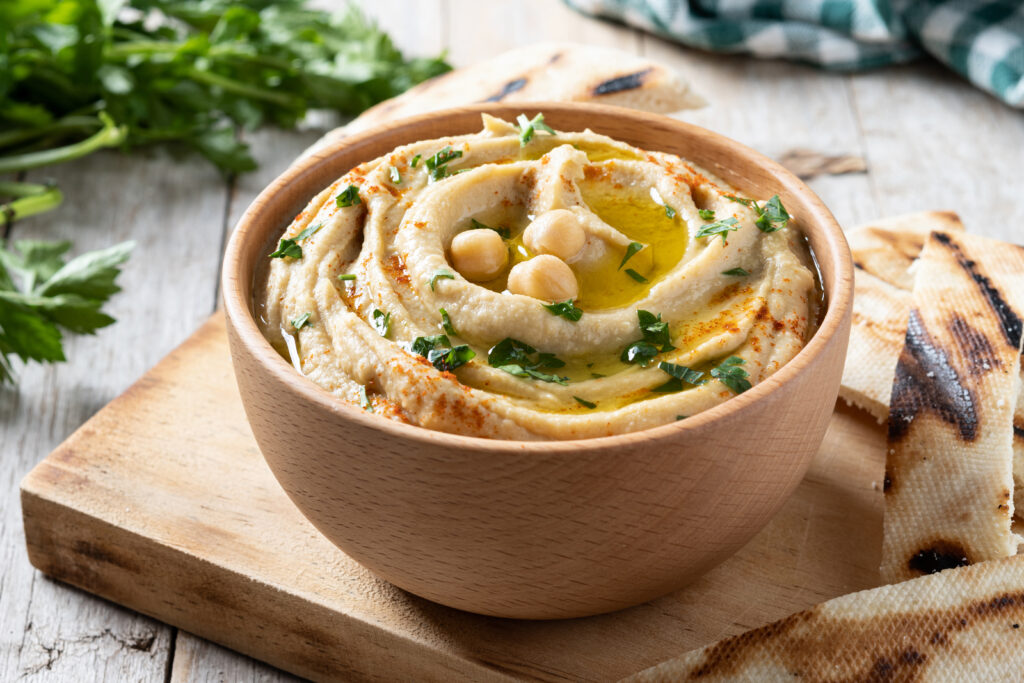
Hummus is one of the most practical foods for athletes who need to eat frequently. It is calorie-dense enough to matter, high in both protein and fiber, and convenient enough to eat with pita bread as a snack between meals or as a pre-workout option that does not sit too heavy. The combination of chickpea protein and complex carbohydrate makes it a natural choice for the pre-training window.
Fresh Turkish salads dressed with olive oil and lemon provide antioxidants, vitamins, and minerals that support the micronutrient needs athletes have above baseline. Parsley in particular, which appears in abundance across Turkish and Mediterranean salads, is high in vitamin C, vitamin K, and folate. Sumac, which gets sprinkled over many of these dishes, is rich in antioxidants. The fresh herbs and light dressings in this cuisine make it easy to eat a lot of vegetables without the meal feeling like a chore.
Rice and bulgur, which appear as sides throughout Turkish and Mediterranean menus, provide the complex carbohydrates that athletes need for glycogen storage before training and replenishment after. Bulgur wheat in particular has a lower glycemic index than white rice and provides additional fiber and protein, making it a particularly useful grain for athletes.
Here are a few practical eating strategies for athletes ordering from a Turkish or Mediterranean menu:
- Pre-workout: a hummus and pita wrap with fresh vegetables provides carbohydrates and light protein without heaviness.
- Post-workout: a grilled chicken or lamb kebab plate with rice, salad, and yogurt sauce covers protein, carbohydrates, and anti-inflammatory fats in one meal.
- Recovery day: a red lentil soup with a fresh salad and warm flatbread gives high fiber and protein at lower calories, fitting the reduced energy needs of rest days.
- On the go: a döner or gyro wrap is a convenient, complete meal that covers multiple macronutrient needs and travels well for athletes with busy schedules.
Eating Mediterranean Food in San Francisco as an Athlete
San Francisco and the Bay Area have a culture of physical activity and health consciousness that makes the city a natural home for Turkish and Mediterranean cuisine. From runners logging miles around the Presidio to cyclists crossing the Bay Bridge and strength athletes training at gyms across the city, there is no shortage of people here who care deeply about what they eat and how it affects their performance.
Presidio Kebab Mediterranean Restaurant near the Presidio is a well-positioned option for athletes looking for healthy Mediterranean food in San Francisco that actually satisfies. The menu covers grilled kebabs, hummus, warm pita, döner, gyro sandwiches, Mediterranean platters, fresh salads, and wraps. Most of these dishes align naturally with athletic nutritional goals without requiring any special modifications or substitutions.
The location near the Presidio makes it particularly convenient for anyone who trains in or around that area. Athletes who need a solid meal before a long outdoor session or want proper post-workout nutrition without spending an hour cooking at home will find the menu practical and well-suited to those needs. For anyone relying on the best takeout Mediterranean food in SF to fuel a busy training schedule, the kebab plates and wraps hold their quality well and provide a complete nutritional picture after pickup.
Presidio Kebab Mediterranean Restaurant is also a natural choice for groups that include mixed fitness levels and dietary preferences. Families looking for family-friendly restaurants in the Presidio where everyone can eat well will find the menu broad enough to satisfy both athletic and non-athletic diners without compromise.
The Mediterranean diet did not become one of the most recommended eating patterns in sports nutrition by accident. It delivers carbohydrates that fuel training, proteins that rebuild muscle, fats that fight inflammation, and micronutrients that support every system involved in athletic performance. When that nutrition comes packaged in food that actually tastes good and satisfies hunger rather than just checking boxes, it becomes something an athlete can realistically sustain. That combination of performance support and genuine enjoyment is exactly what makes Turkish and Mediterranean food such a strong fit for anyone who takes their training seriously.