
Is Turkish Food Healthy?
Turkish food has a reputation for being bold, satisfying, and deeply flavorful. What does not always get talked about is how nutritionally solid most of it actually is. When people search for healthy dining options in SF or look for Mediterranean cuisine that works for their health goals, Turkish food consistently comes up as one of the better choices available. But is that reputation deserved, or is it just good marketing around a cuisine that happens to use olive oil?
The honest answer is that Turkish food is genuinely healthy for most people, especially when compared to the average restaurant meal in the United States. The ingredients are whole, the cooking methods lean toward grilling and slow cooking rather than frying, and the overall structure of a Turkish meal naturally balances protein, fiber, healthy fat, and fresh vegetables without requiring much effort from the person ordering. That said, like any cuisine, some dishes are better choices than others, and understanding the difference helps you eat well every time.
What Makes Turkish Food Nutritionally Strong
The health profile of Turkish cuisine starts with its ingredients. Traditional Turkish cooking relies on a short list of whole foods that each bring real nutritional value to the plate. Olive oil is the primary fat used for cooking, dressing salads, and finishing dishes. Unlike butter or refined vegetable oils, olive oil is rich in monounsaturated fats and polyphenols, compounds that research has connected to reduced inflammation and better heart health over time.
Legumes play a major role in Turkish cooking. Chickpeas, lentils, white beans, and fava beans appear across dozens of dishes, from hummus and red lentil soup to slow-cooked stews and cold olive oil preparations. Legumes are high in plant-based protein, dietary fiber, and complex carbohydrates that digest slowly and keep blood sugar stable. A bowl of mercimek çorbası, the Turkish red lentil soup, delivers a significant amount of both protein and fiber in a dish that costs very few calories relative to how filling it is.
Fresh vegetables are central to the cuisine rather than an afterthought. Turkish salads built from cucumber, tomato, parsley, red onion, and sumac are low in calories and high in vitamins, antioxidants, and water content. Roasted and braised vegetable dishes cooked in olive oil, a category called zeytinyagli in Turkish, turn simple produce into nutrient-dense, satisfying food. Eggplant, peppers, zucchini, and tomatoes all feature prominently and are prepared in ways that preserve their nutritional value rather than destroying it through heavy processing.
Lean proteins prepared by grilling are another cornerstone of Turkish nutritional strength. Chicken shish kebab, lamb shish, and grilled köfte all deliver high-quality protein with a relatively low saturated fat content, especially when compared to fried proteins or heavily sauced meat dishes. The grilling method itself is beneficial. Fat drips away from the meat during cooking, and the high heat creates the char and flavor compounds that make Turkish grilled food so good without adding extra calories.
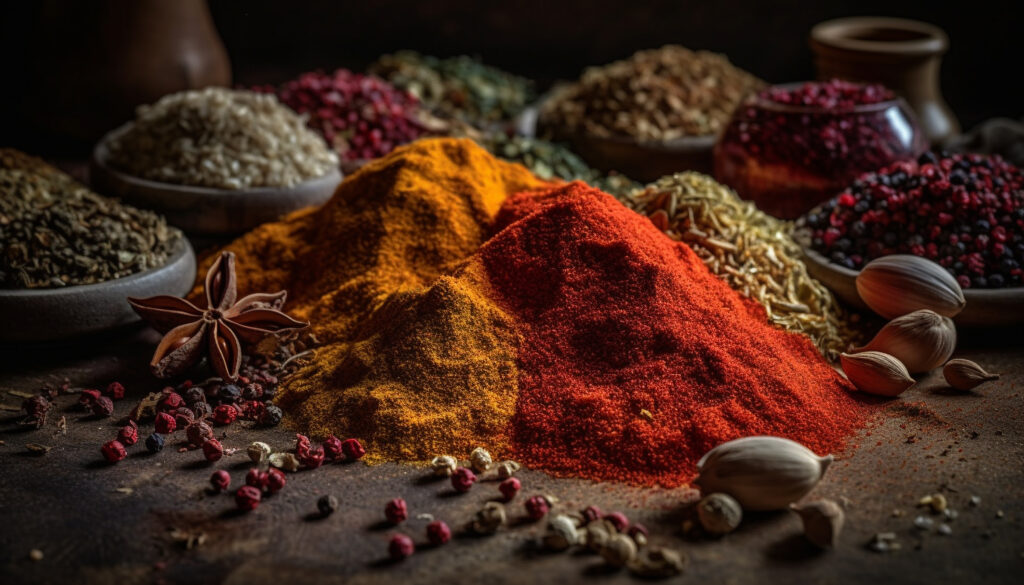
Spices in Turkish cooking are not just flavor tools. Many of them carry their own health benefits. Cumin has been connected to better digestion and reduced inflammation. Sumac is rich in antioxidants. Turmeric, which appears in some Turkish dishes and rice preparations, has anti-inflammatory properties. Dried mint and fresh herbs like parsley contribute vitamins and micronutrients. None of these benefits are dramatic on their own, but they add up across a diet that uses these spices regularly.
The Turkish Dishes That Are Best for Your Health
Knowing that Turkish food is generally healthy is useful. Knowing which specific dishes are the strongest choices helps you make the most of any menu, whether you are eating at a restaurant or ordering takeout.
Red lentil soup is one of the best things you can order at a Turkish restaurant from a nutritional standpoint. A full bowl is typically between 180 and 220 calories, provides a strong dose of fiber and plant protein, and keeps you full for a long time. The cumin and red pepper drizzle on top add flavor without adding significant calories. As a starter, it takes the edge off hunger before the main course and naturally prevents overeating.
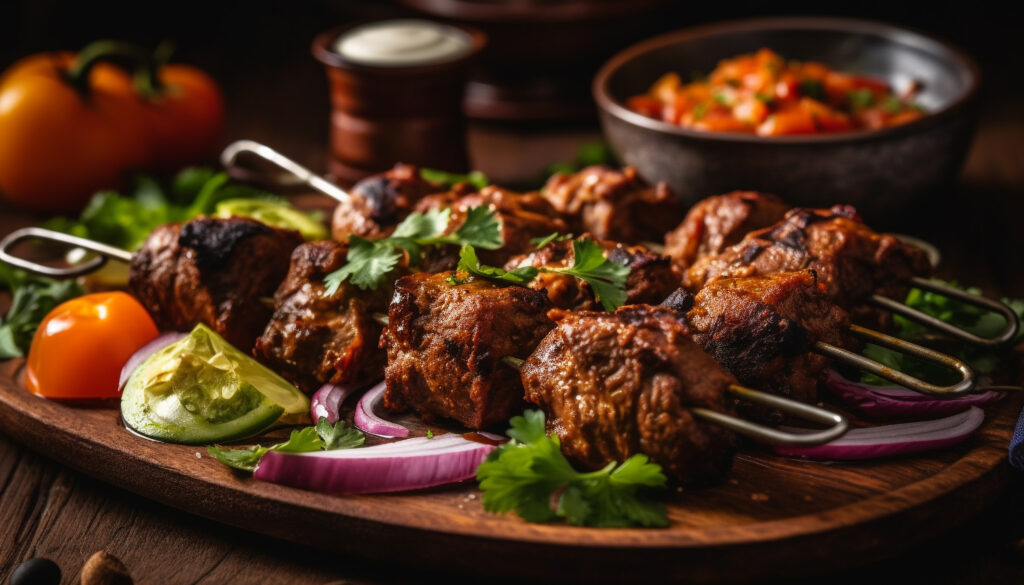
Grilled chicken kebab is the cleanest protein option on most Turkish menus. Chicken breast or thigh marinated in yogurt, lemon, garlic, and spices, then grilled on a skewer, gives you a high-protein, moderate-calorie main dish that pairs well with salad and a small amount of rice. The yogurt marinade tenderizes the meat and adds a slight tang without contributing a lot of extra calories to the finished dish.
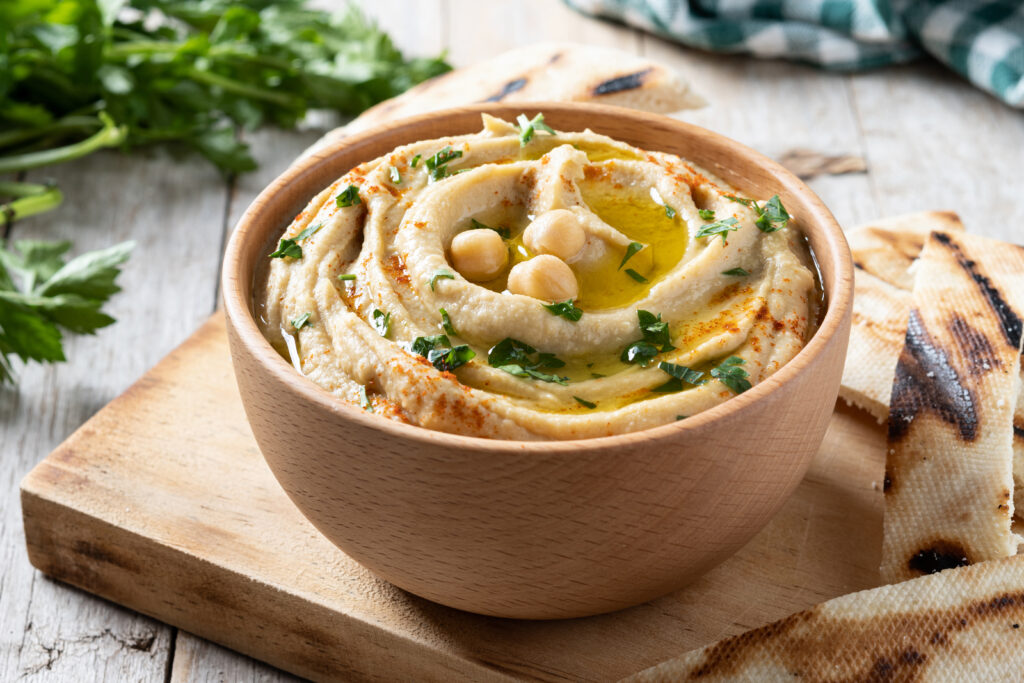
Hummus surprises a lot of people who assume it is too calorie-dense to be a healthy choice. A standard serving of hummus is around 100 to 150 calories and provides a good balance of plant protein, fiber, and healthy fat from the tahini and olive oil. Paired with raw vegetables instead of a large amount of pita, it becomes an even lighter option that still satisfies.
Turkish salads are nutritionally strong and very low in calories. A classic salad with cucumber, tomato, red onion, parsley, and a lemon and olive oil dressing is filling, hydrating, and full of vitamins and fiber. The sumac that gets sprinkled on top adds a lemony brightness along with its own antioxidant content.
Cacik, the cold yogurt and cucumber dip made with dried mint and garlic, is under 100 calories per serving and provides calcium and probiotics from the yogurt alongside the hydration of the cucumber. It works as a light side dish, a sauce over grilled meat, or a dip with flatbread.
Here are a few dishes that deserve a closer look before ordering, not because they are bad, but because they carry more calories than they might appear to:
- Börek, the flaky pastry made with phyllo dough and cheese or meat filling, is genuinely delicious but higher in calories due to the buttered pastry layers.
- Fried starters like sigara böreği are worth enjoying occasionally, but the frying process adds calories that the filling alone would not carry.
- Rice and bread portions can add up quickly when they are refilled at the table or come in large amounts as sides. Asking for a smaller portion of rice with extra salad is an easy swap.
How Turkish Food Compares to Other Restaurant Options
One of the clearest ways to understand the health value of Turkish food is to compare a typical Turkish meal to what you might eat at other types of restaurants in San Francisco.
A grilled chicken kebab plate with salad, a small amount of rice, and a side of hummus at a Turkish restaurant comes in at roughly 600 to 750 calories for the full meal. That same calorie range at a burger place, a pizza restaurant, or a casual American dining spot might represent a single item rather than a complete meal with multiple components. The Turkish meal also provides more fiber, more vitamins, more plant diversity, and a better balance of macronutrients than most fast-casual alternatives.
Mediterranean cuisine as a whole has earned its reputation as one of the healthiest dining styles available, and Turkish food sits at the heart of that tradition. For anyone looking for the best Mediterranean restaurants in San Francisco with a genuine focus on food quality, or searching for healthy Mediterranean food in San Francisco without sacrificing flavor, Turkish restaurants consistently deliver on both fronts.
The food also works well for a range of dietary goals. People managing their weight can eat well from a Turkish menu by focusing on grilled proteins, salads, and legume-based dishes. People focused on heart health benefit from the olive oil, fiber, and lean protein that show up throughout the cuisine. People who want to eat more plant-based food will find a rich tradition of vegetarian dishes built around chickpeas, lentils, eggplant, and fresh vegetables.
Eating Turkish Food in San Francisco
San Francisco diners are generally well-informed about food and expect both quality and nutrition from their restaurant choices. That combination of high standards and genuine curiosity about different food traditions has helped build a strong scene for Turkish and Mediterranean dining across the Bay Area.
Presidio Kebab Mediterranean Restaurant near the Presidio is one of the most well-regarded spots for authentic Turkish food in San Francisco. The menu covers grilled kebabs, hummus, warm pita, fresh salads, wraps, and Mediterranean platters, giving diners a range of options that reflects the nutritional strengths of this cuisine. Whether you are eating in or grabbing the best takeout Mediterranean food in SF for a weeknight dinner, the food here is made with the kind of whole ingredients and careful preparation that makes Turkish cuisine worth coming back to.
The restaurant works across different dining situations. Families looking for family-friendly restaurants in the Presidio will find the menu broad and satisfying. Groups can share mezze-style dishes and grilled platters. Anyone focused on healthy dining options in SF will find that most of the menu aligns naturally with their goals without requiring substitutions or special requests.
Presidio Kebab Mediterranean Restaurant is also a solid choice for Bay Area foodies who appreciate food that is both genuinely well-made and good for you, two things that do not always go together as naturally as they do in Turkish and Mediterranean cuisine.
Turkish food is healthy because of how it is built, not because anyone decided to make it that way for modern diners. The ingredients, the cooking methods, and the overall structure of Turkish meals have supported good health in the people who eat them for a very long time. That track record is hard to argue with, and the food is good enough that you will want to eat it whether you are thinking about nutrition or not.