
What Spices Are Used in Turkish Food?
If you have ever eaten Turkish food and thought “what is that flavor?”, you are not imagining something unusual. Turkish cuisine has a spice profile that is genuinely different from most other food traditions. It is warm, aromatic, and layered in a way that does not hit you all at once. Instead, the flavors build as you eat, and each spice plays a specific role rather than just adding generic heat or salt.
Understanding what goes into Turkish food helps you appreciate it more, whether you are cooking at home, exploring a new restaurant, or just curious about why your kebab tastes the way it does. This guide walks you through the most important spices in Turkish and Mediterranean cooking, how they are used, and why the food built around them has become one of the most loved cuisines in the world.
The Spice Tradition Behind Turkish Cuisine
Turkey sits at a geographic crossroads between Europe, Asia, and the Middle East. For centuries, spice trade routes ran directly through Istanbul, which meant Turkish cooks had access to a wider range of ingredients than almost anyone else. That history shows up in the food today. Turkish cuisine draws from Central Asian, Arab, Persian, and Balkan cooking traditions, and the spice blends reflect all of those influences at once.
What makes Turkish spice use distinct is restraint combined with depth. The goal is never to overwhelm the main ingredient. When you order grilled kebabs, the meat is the star. The spices are there to enhance it, not cover it. This is why authentic Turkish food in San Francisco, when done well, tastes clean and complex at the same time. You can identify the protein, feel the char from the grill, and still pick up the subtle warmth of cumin or the faint smokiness of paprika underneath.
This philosophy extends across the whole cuisine, from kebabs and döner to salads, wraps, and mezze spreads. Each dish uses a specific combination of spices chosen to match the cooking method and the main ingredient.
The Most Important Spices in Turkish Cooking
Here is a closer look at the spices that appear most often in Turkish and Middle Eastern food, and what each one brings to the table.
Cumin is probably the most widely used spice in Turkish cooking. It has a warm, earthy, slightly bitter flavor that works especially well with ground meat. You will find it in köfte, lamb kebabs, and spiced rice dishes. It is not sharp or aggressive. It just adds a low, steady warmth that ties everything together.
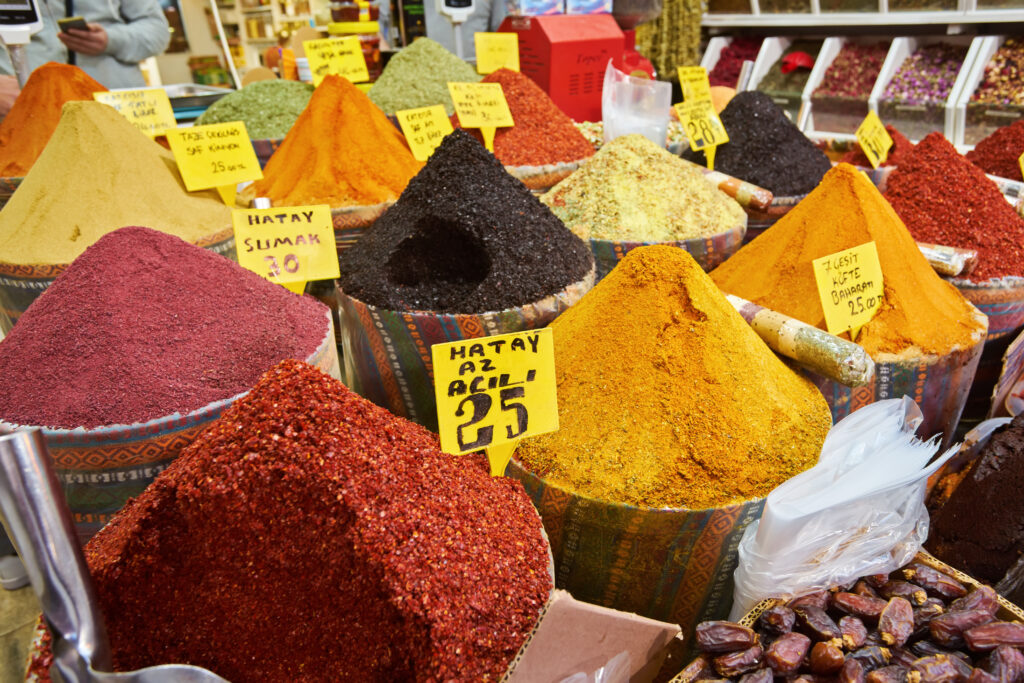
Red pepper flakes, called pul biber in Turkish, are very different from the crushed red pepper you might find on a pizza. Turkish red pepper flakes are made from dried Aleppo or Marash peppers. They have a mild to moderate heat with a slightly oily, fruity quality. They add color and a gentle kick without making the dish aggressively spicy.
Paprika, both sweet and smoked, appears in marinades for grilled meats, in tomato-based sauces, and as a finishing spice on hummus and yogurt dips. Sweet paprika adds color and a mild sweetness. Smoked paprika brings a subtle depth that works particularly well on chicken and lamb.
Sumac is one of the most distinctly Middle Eastern and Turkish spices. It comes from dried, ground sumac berries and has a tart, lemony flavor without any actual citrus. You will see it sprinkled over lamb gyro, mixed into salads, and used as a finishing spice on grilled meats. If something tastes bright and slightly acidic without any visible lemon or vinegar, sumac is usually the reason.
Allspice, known in Turkish as yenibahar, is used in slow-cooked meat dishes, stuffed vegetables, and rice pilafs. The name gives it away. It tastes like a combination of clove, cinnamon, and nutmeg, all in one spice. It adds warmth and a subtle sweetness that is very different from the sharper spices in the mix.
Cinnamon in Turkish cooking is not reserved for desserts. It gets added to savory dishes too, especially slow-braised lamb, stuffed eggplant, and spiced rice. It gives these dishes a faint sweetness that balances out the richness of the meat.
Dried mint is used far more in Turkish and Mediterranean cooking than most Western cuisines. It shows up in yogurt sauces, salads, lentil soups, and as a garnish on many dishes. Fresh mint is used too, but the dried version has a more concentrated, slightly different flavor that holds up better in cooked dishes and warm sauces.
Za’atar is a spice blend rather than a single spice, but it is so central to Turkish and Middle Eastern food that it deserves its own mention. It is made from dried thyme, sesame seeds, sumac, and salt. The flavor is herby, nutty, and slightly tangy. It gets mixed with olive oil and spread on warm pita, sprinkled over salads, or used as a rub for grilled meats.
Coriander seeds, ground or lightly toasted, have a citrusy, floral quality that pairs well with both chicken and vegetables. They appear in marinades and spice rubs and are especially common in dishes that have a lighter, brighter flavor profile.
A few more worth knowing:
- Turmeric adds a golden color and a mild, earthy flavor to rice dishes and some meat preparations.
- Black pepper is used throughout, often alongside cumin in spice rubs for kebabs.
- Fenugreek shows up in some regional spice blends and adds a slightly bitter, maple-like note to slow-cooked dishes.
How These Spices Show Up in Real Dishes
Knowing the spices is one thing. Seeing how they work together in actual dishes makes it much easier to understand why Turkish and Mediterranean food tastes the way it does.
A classic Turkish kebab marinade might include cumin, sweet paprika, red pepper flakes, black pepper, garlic, and olive oil. That combination is what gives the meat its deep color, its subtle heat, and its savory, slightly smoky flavor after it comes off the grill. Every element has a purpose.
Hummus gets its warmth from cumin and paprika, with the smokiness often highlighted by a drizzle of olive oil and a dusting of smoked paprika on top. The tahini and lemon do the heavy lifting on flavor, but the spices are what give it character.
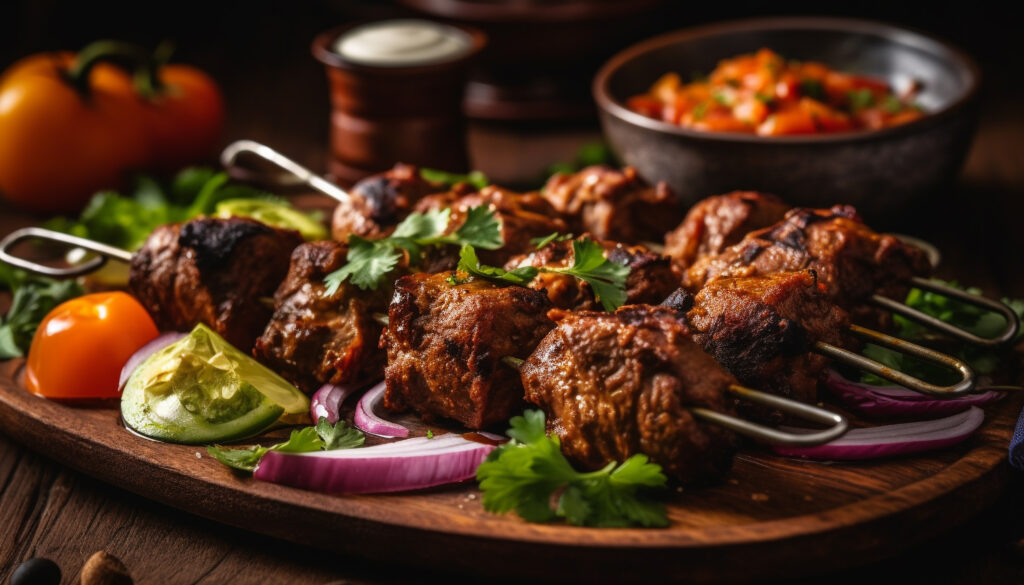
A lamb gyro or döner kebab gets its distinctive flavor from a spice blend that usually includes allspice, cumin, coriander, and red pepper. The slow rotation and gradual cooking concentrates those flavors as the outer layer chars and crisps up. That is why properly made döner has a flavor that is hard to replicate at home without the right setup and the right spice blend.
Fresh salads in Turkish cuisine often get finished with sumac and dried mint rather than a complicated dressing. The sumac adds brightness and the mint adds a clean, herby note. Together they make a simple salad taste layered and intentional.
Finding Authentic Turkish and Mediterranean Flavors in San Francisco
San Francisco has a strong food scene, and Bay Area foodies have real access to authentic Turkish and Mediterranean flavors if they know where to look. The city’s diners tend to appreciate food that is made carefully with real ingredients, which is exactly what Turkish cuisine rewards.
Presidio Kebab Mediterranean Restaurant is one of the best options for anyone searching for authentic Turkish food in San Francisco or wanting to taste these spice traditions firsthand. The menu covers Turkish kebabs, Mediterranean platters, gyro sandwiches, hummus, warm pita, salads, and wraps. It is a good representation of how this cuisine actually works, where the spices are present but balanced, and the main ingredients are always the focus.
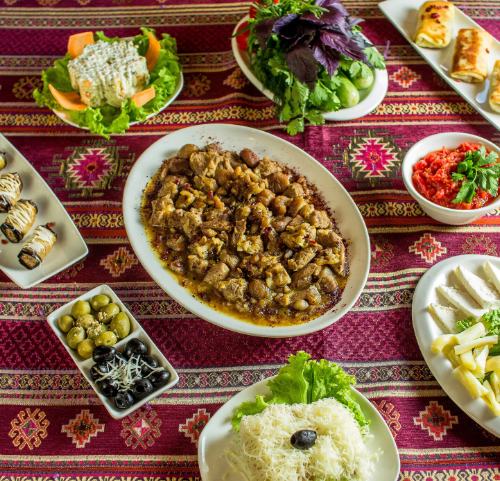
For anyone looking for healthy Mediterranean food in San Francisco, the food here checks a lot of boxes. Grilled proteins, fresh herbs, legume-based dips, and vegetable-heavy dishes are all part of what makes Turkish and Mediterranean cuisine one of the healthiest ways to eat. The spices add flavor without adding fat or excess sodium, which is part of why this style of cooking is so widely respected.
Presidio Kebab works well for a range of situations. It is good for families, since the menu has familiar options alongside more adventurous ones. It works as one of the top restaurants in the Presidio San Francisco for a casual lunch or dinner. For anyone who wants the best takeout Mediterranean food in SF, the menu travels well and the portions are generous.
If you are ordering for the first time, try something that lets the spices shine. A well-seasoned kebab plate, a properly made hummus, or a lamb gyro with sumac-dusted salad gives you a real sense of what this cuisine is built on. Pay attention to the warmth, the brightness, and the way the flavors stay with you after the meal is done. That is what centuries of spice tradition actually tastes like.
Good Turkish and Mediterranean food is not complicated. It is just honest cooking with the right ingredients, handled with care, and seasoned with spices that have been trusted for a very long time. Once you know what to look for, you will notice it every time.