
Mediterranean Diet: Myths vs. Facts
The Mediterranean diet gets talked about constantly. Doctors recommend it. Nutrition researchers study it. Food writers praise it. And somehow, despite all that attention, a surprising number of myths have grown up around it that give people a distorted picture of what this way of eating actually involves. Some people think it is just Greek food. Others think it means eating pasta every day. Some assume it is expensive, or that you have to live near the sea for it to make sense, or that it is essentially a low-fat diet dressed up with olive oil and oregano.
None of those things are accurate. The Mediterranean diet is one of the most researched and most consistently supported eating patterns in nutrition science, and it deserves a clearer explanation than it usually gets. This guide goes through the most common myths people believe about Mediterranean food and replaces them with what the evidence actually shows. By the end, you will have a much more useful understanding of what this diet is, what it is not, and why it has earned its reputation so completely.
Myth One: The Mediterranean Diet Is Just Greek or Italian Food
This is probably the most common misconception, and it limits people’s understanding of the diet in a way that makes it seem more restrictive than it is. The Mediterranean Sea borders over twenty countries across three continents. The food cultures along its shores include Spanish, French, Italian, Greek, Turkish, Lebanese, Syrian, Egyptian, Moroccan, and Tunisian traditions, among many others. Calling the Mediterranean diet simply Greek or Italian food is like calling Asian cuisine just Chinese or Japanese food. It misses most of the picture.
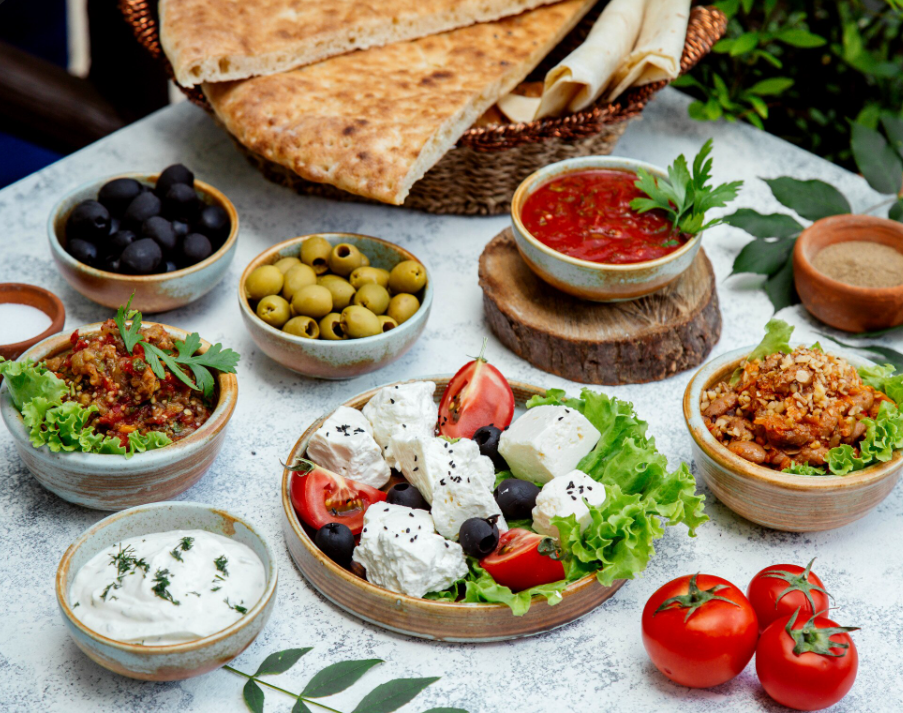
Turkish food is a central part of the Mediterranean dietary tradition. The same principles that make Italian or Greek food align with Mediterranean health research apply just as strongly to Turkish cuisine. Olive oil as the primary fat, lean proteins prepared by grilling, legumes as a protein and fiber source, fresh vegetables eaten in abundance, yogurt instead of heavy cream, and whole grains like bulgur and flatbread as the carbohydrate base. A plate of grilled Turkish kebabs with hummus, fresh salad, and warm pita checks every box that nutrition researchers use to define a Mediterranean meal.
Middle Eastern food fits just as naturally. Hummus, tabbouleh, baba ghanoush, lentil soup, and grilled meats prepared with olive oil, lemon, and spices all align with the core structure of Mediterranean eating. The diet is not a specific cuisine. It is a framework built from the shared ingredients and cooking approaches found across a very large and diverse region.
Myth Two: The Mediterranean Diet Is a Low-Fat Diet
This one comes up constantly, and it is completely wrong. The Mediterranean diet is not low in fat. It is different in fat type. Olive oil, which is the cornerstone of Mediterranean cooking, is a fat. Fatty fish like salmon and sardines are eaten regularly. Nuts and seeds appear throughout the cuisine. Tahini, which is ground sesame paste and a primary ingredient in hummus, is high in fat. So is the avocado that appears in some Mediterranean-adjacent dishes. Cheese and yogurt add fat to the diet as well.
The key difference is that the fats in Mediterranean cooking are predominantly unsaturated, primarily monounsaturated fat from olive oil and polyunsaturated fats from fish, nuts, and seeds. Saturated fat from butter, heavy cream, and processed meat is where Mediterranean cuisine diverges from many Western diets. The overall fat content of a well-constructed Mediterranean meal can be quite high. What changes is the type of fat, not the total quantity.
This distinction matters because decades of research have found that replacing saturated fat with unsaturated fat, particularly the monounsaturated fat in olive oil, improves cholesterol profiles and reduces cardiovascular risk in ways that simply cutting fat does not. The Mediterranean diet is not asking you to eat less fat. It is asking you to get your fat from better sources.
Myth Three: You Have to Eat Fish Every Day
Fish features prominently in Mediterranean diet research and recommendations, and this has led some people to believe that the diet requires daily or near-daily seafood consumption. That is not accurate. Fish appears in Mediterranean cuisine multiple times per week in regions where it is abundant and affordable, but the diet is built around a much broader range of protein sources.
Lamb, chicken, and beef are all central to Turkish and Middle Eastern cooking within the Mediterranean tradition. A grilled lamb kebab, a chicken döner, or a plate of seasoned ground meat served with rice and salad is a Mediterranean meal. The protein does not have to be fish. What matters more is the preparation method, grilling, roasting, and braising rather than frying, and the accompaniments, fresh vegetables, legumes, olive oil, and fresh herbs rather than heavy sauces or processed starches.
Legumes also carry significant weight as a protein source in this eating pattern. Chickpeas in hummus, lentils in soup, and white beans in slow-cooked stews all provide plant-based protein alongside fiber and complex carbohydrates. On days without fish or meat, a meal built around legumes with vegetables and good olive oil is a complete Mediterranean meal in the most traditional sense.
Myth Four: The Mediterranean Diet Is Expensive
The perception that eating Mediterranean-style costs a lot of money comes from associating it with high-end restaurants or specialty grocery stores. In reality, the foundation of this diet has historically been peasant food, the inexpensive, widely available ingredients that rural communities across the Mediterranean have eaten for generations because they were cheap, nutritious, and filling.
Lentils and chickpeas are among the most affordable protein sources available anywhere. Seasonal vegetables cost less than most packaged or processed food. Whole grains like bulgur and brown rice are budget staples in most parts of the world. The most expensive component of the Mediterranean diet is high-quality olive oil, and even that is a relatively small cost when you consider that a good bottle lasts several weeks of regular cooking.
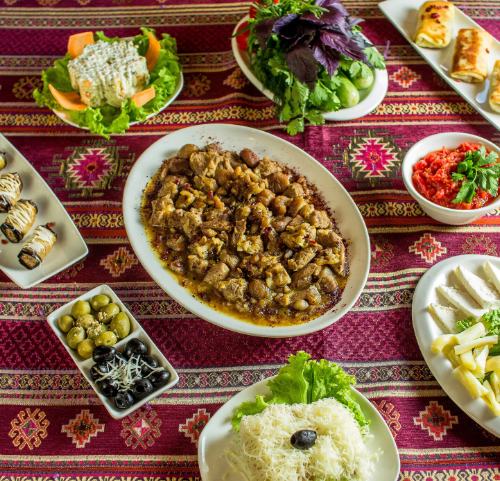
Eating at a Turkish or Mediterranean restaurant in San Francisco can also be an accessible way to eat within this dietary pattern without the cost of specialty ingredients at home. A grilled chicken kebab plate with salad and hummus at a restaurant like Presidio Kebab Mediterranean Restaurant near the Presidio is a complete Mediterranean meal at a price point that compares favorably to most fast-casual alternatives in the city. The food is whole, the protein is grilled rather than fried, and the sides are fresh rather than processed.
Myth Five: The Mediterranean Diet Is a Weight Loss Diet
This framing misrepresents what the diet is designed to do and sets up unrealistic expectations. The Mediterranean diet is not a calorie-restriction program. It does not involve counting macros, eliminating food groups, or following a meal plan with specific rules about portions. People who follow it do not do so because they are trying to lose weight by March. They do so because it represents a sustainable, enjoyable, and nutritionally sound way to eat over a lifetime.
That said, research has consistently found that people who shift toward Mediterranean-style eating do tend to manage their weight more effectively than those following other dietary patterns, including low-fat diets. The reason is not calorie restriction. It is satiety. The combination of fiber from legumes and vegetables, protein from grilled meats and legumes, and healthy fat from olive oil and nuts produces meals that are genuinely filling. People who feel satisfied after eating are less likely to snack on processed food or overeat at the next meal.
Here are the actual facts about what the Mediterranean diet does well, based on research:
- It consistently reduces cardiovascular disease risk across multiple large-scale studies, more than low-fat diets studied in the same conditions.
- It is associated with lower rates of type 2 diabetes and better blood sugar management in people who already have diabetes.
- It has been linked to slower cognitive decline in older adults and lower rates of certain neurodegenerative conditions.
- It supports healthy gut bacteria diversity, which connects to broader immune and metabolic health.
- It is one of the few dietary patterns that people can realistically maintain long-term because the food is genuinely satisfying and enjoyable.
Eating the Mediterranean Way
San Francisco is a city that takes food seriously, and Bay Area foodies have long appreciated the depth and variety of Mediterranean cuisine. For anyone looking for healthy Mediterranean food in San Francisco that reflects the real traditions and not a watered-down version, the city has good options.
Presidio Kebab Mediterranean Restaurant near the Presidio offers a menu that naturally aligns with what the Mediterranean diet actually looks like in practice. Turkish kebabs, döner, gyro sandwiches, hummus, warm pita, Mediterranean platters, fresh salads, and wraps give you access to the grilled proteins, legumes, fresh vegetables, and olive oil-forward cooking that define this way of eating. It is a strong choice for anyone looking for the best Mediterranean restaurants in San Francisco who also wants food that is honest, well-made, and nutritionally grounded.
The restaurant suits a wide range of diners and situations. Families looking for family-friendly restaurants in the Presidio will find the menu approachable and varied. Anyone who wants the best takeout Mediterranean food in SF for a weeknight dinner will find that the dishes hold up well and arrive as a genuinely complete meal rather than a collection of individual items. For Bay Area eats that reflect real food culture rather than a diet trend, Turkish and Mediterranean cuisine at Presidio Kebab Mediterranean Restaurant is a consistent and reliable choice.
The Mediterranean diet is not a trend, a fad, or a marketing phrase. It is a centuries-old eating pattern that modern science has spent decades studying and consistently recommending. Getting the facts straight about what it actually involves makes it easier to follow, more enjoyable to eat, and far more useful as a long-term approach to healthy living.