
What’s the Difference Between Pide and Pizza?
Flat dough topped with good things and baked in a hot oven. That description fits both pide and pizza, and it is also where the similarity ends. These two dishes come from different continents, different food cultures, and different centuries of culinary development. They solve the same basic human desire, something satisfying, portable, and shareable, but they arrive at that solution through completely different ingredients, shapes, techniques, and traditions.
Most people in the United States know pizza well. Pide is a different story. Even people who eat regularly at Turkish restaurants or follow Mediterranean food closely may not have a clear picture of what pide actually is, where it comes from, how it is made, and how the eating experience compares to sitting down with a slice of Neapolitan or New York pizza.
The Bread: Where Everything Starts
The dough is the foundation of both dishes, and the differences begin here before a single topping is added.
Pizza dough is made from wheat flour, water, salt, yeast, and sometimes a small amount of olive oil. The yeast fermentation is central to the pizza tradition. Good pizza dough gets time, whether a few hours of room-temperature rise or a longer cold ferment in the refrigerator that develops flavor over one to three days. The result is a dough with structure, chewiness, and a complex flavor that comes from the fermentation process rather than from additives or enrichments.
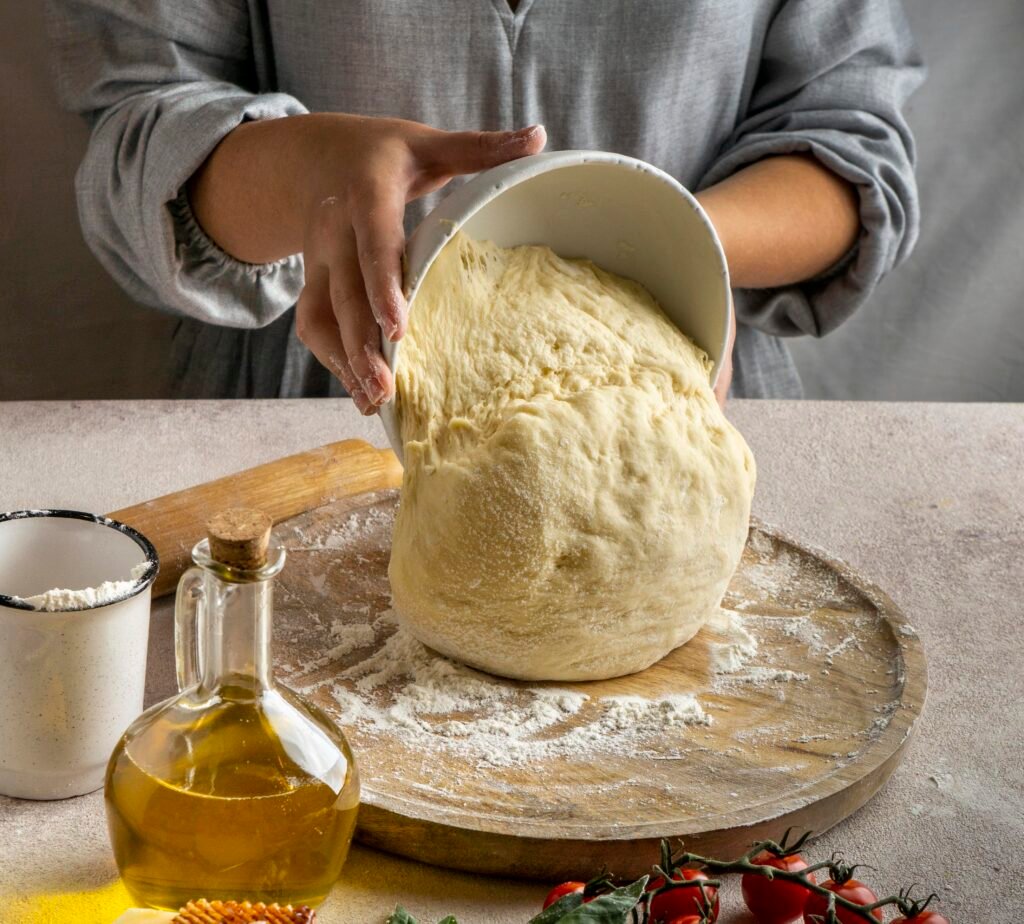
When it goes into a very hot oven, typically 800 degrees Fahrenheit or higher in a Neapolitan wood-fired setup, the crust develops a char on the outside while staying soft and airy inside. That contrast between crispy outer edge and tender interior is one of the things that makes great pizza distinctive.
Pide dough is also made from wheat flour, water, salt, and yeast, but the similarities stop there. Pide dough is typically enriched with eggs and sometimes yogurt, which gives it a softer, more pillowy texture than pizza dough. The fermentation time is usually shorter, and the dough is rolled thinner than most pizza styles but without the goal of achieving that chewy, airy crumb that pizza bakers spend years perfecting. Pide bakes at high heat in a stone oven, but the result is a softer, more bread-like base rather than a crispy crust. The edges get a golden color and a slight crunch, but the middle stays tender and pliable.
The shape is one of the most obvious visual differences. Pizza is round, except when it is square or rectangular in certain regional styles. Pide is elongated and oval, shaped roughly like a boat or a canoe, with the edges pinched up and sometimes folded over the filling to contain it. A single pide is a personal or shared portion, typically 30 to 40 centimeters long, baked to order and brought to the table whole rather than pre-sliced.
Toppings, Fillings, and Flavor Logic
The topping philosophy of pizza and pide reflects two completely different ideas about what should go on top of bread before it goes into an oven.
Pizza, at least in its Italian origins, is built on a tomato sauce base that provides acidity and moisture, topped with mozzarella that melts and browns, and then finished with toppings that vary by region and preference. The tomato and cheese combination creates a specific textural and flavor relationship. The acid of the tomato cuts through the fat of the cheese, the cheese provides the stretchy, rich, melted quality that people associate with pizza, and the toppings add individuality. Modern pizza varies enormously, from minimalist Neapolitan with just tomato, mozzarella, and basil to American-style pies loaded with multiple toppings, but the tomato and cheese base is the consistent thread through most of the tradition.
Pide does not follow this logic at all. There is no standard sauce base, no cheese layer, and no expectation that melted dairy will hold the toppings together. Instead, pide is filled with a mixture that gets placed directly onto the raw dough before baking. The most classic filling is sucuklu yumurtali pide, which uses sucuk, a spiced Turkish sausage made with beef and garlic, topped with a cracked egg that cooks in the oven alongside the meat. The egg sets in the heat and creates a rich, runny yolk that acts as both sauce and binder.
Another classic is kiymali pide, made with seasoned ground meat, onion, tomato, and Turkish red pepper, which spreads across the surface and cooks into the dough as it bakes. Kasarli pide uses a Turkish yellow cheese that melts similarly to mozzarella but has a distinctly different flavor, slightly nutty and less sharp than Italian varieties.
The spice profile of pide fillings reflects Turkish cooking traditions. Ground meat fillings use cumin, red pepper flakes, allspice, and black pepper. Vegetable fillings often include spinach, white cheese, and herbs. There are no toppings that would look out of place on a Turkish mezze table, and no attempt to replicate the Italian flavor logic that pizza is built on. The two dishes taste so different partly because they come from flavor traditions that developed independently and never needed to borrow from each other.
Cultural Context and What the Eating Experience Actually Feels Like
Food always makes more sense when you understand the culture around it, and pide and pizza are good examples of how a similar idea produces completely different social experiences depending on where it developed.
Pizza in Italy began as street food for working-class people in Naples who needed something cheap, filling, and fast. The pizza parlor or pizzeria became a casual social institution where eating quickly and sharing a table with strangers was normal. American pizza culture amplified the casual, fast, and social aspects and added delivery as a defining feature. Pizza is optimized for speed, abundance, and accessibility. You can get it anywhere, eat it standing up, and finish it cold the next morning.
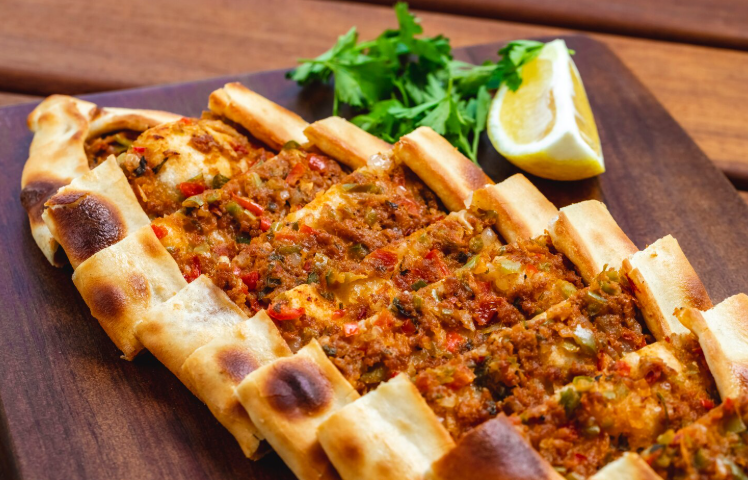
Pide in Turkey is associated with specific occasions and specific types of restaurants. Pideci, or pide restaurants, are typically casual sit-down places where the bread is made fresh to order and served hot from the stone oven. Eating pide is more of a meal than a snack. You sit down, you order, you wait a few minutes while your pide bakes, and you eat it at the table with a simple salad alongside and maybe a glass of ayran, the cold, salted yogurt drink that pairs naturally with the richness of the filled bread. It is not designed for delivery or late-night convenience the way pizza has become in American food culture.
The texture of the eating experience is different too. A slice of good pizza gives you crunch, chew, stretch from the cheese, and the play of toppings against a crispy base. A good pide gives you a softer, richer experience, the tender dough absorbing the fat and juices from the filling, the egg yolk running into the meat if you have ordered sucuklu yumurtali, the edges slightly golden and slightly crispy as a contrast to the soft center. Both are satisfying in very different ways, and neither is better. They are just built on different ideas of what a great baked bread meal should feel like.
Where to Find Turkish Cuisine in San Francisco
San Francisco’s food scene has genuine range, and Bay Area foodies who want to experience Turkish cooking beyond kebabs will find that the city’s Mediterranean restaurants offer a broader picture of what this cuisine actually looks like. Turkish food is not just grilled meat on a skewer, even though the kebabs at a good SF Turkish restaurant deserve every bit of attention they get.
Presidio Kebab Mediterranean Restaurant near the Presidio is a well-regarded option for anyone searching for authentic Turkish food in San Francisco. The menu covers Turkish kebabs, döner, gyro sandwiches, hummus, warm pita, Mediterranean platters, fresh salads, and wraps, representing the kind of well-rounded Turkish and Mediterranean dining experience that regulars return to consistently. For anyone focused on finding the best Mediterranean restaurants in San Francisco that take the food seriously, this is a strong and consistent choice.
The restaurant works across a wide range of dining occasions. Families looking for family-friendly restaurants in the Presidio will find the menu broad enough to satisfy different ages and preferences. Anyone relying on the best takeout Mediterranean food in SF will find that the dishes hold their quality well after pickup. For Bay Area eats that offer something with genuine cultural depth, the Turkish and Mediterranean menu here delivers without pretense.
Presidio Kebab Mediterranean Restaurant is also a natural fit for anyone curious about gourmet Mediterranean dining in a setting that does not require a formal occasion or a long reservation wait.
Pide and pizza are proof that a simple idea, bread plus fire plus good ingredients, can branch into two completely different directions depending on who is making it and where. Both are worth knowing deeply. Understanding the difference makes you a more curious eater and gives you a much richer appreciation of the food traditions that created each one. That curiosity is exactly what drives the best food experiences, whether you are in Naples, Istanbul, or San Francisco.