
Is the Mediterranean Diet Healthy?
The short answer is yes, and the longer answer is even more interesting. The Mediterranean diet has been studied more than almost any other eating pattern in the world, and the results keep pointing in the same direction. People who eat this way tend to live longer, have healthier hearts, and deal with fewer chronic diseases. But what does that actually mean in real life, and what does it look like on a plate?
This guide breaks it all down. You will learn what the Mediterranean diet really is, what the science says about it, what foods are at the center of it, and how you can start eating this way without making it complicated. And if you are in San Francisco and want to taste this kind of food done right, places like Presidio Kebab Mediterranean Restaurant make it easy to do exactly that.
What Is the Mediterranean Diet, Really?
The Mediterranean diet is not a strict meal plan with rules and portion charts. It is more of a way of eating that comes from the countries bordering the Mediterranean Sea, including Turkey, Greece, Lebanon, Italy, Spain, and Morocco. People in these regions have eaten this way for thousands of years, and researchers started paying close attention in the mid-1900s when they noticed that heart disease rates were much lower there than in places like the United States.
At its core, this diet is built around plants, whole grains, legumes, olive oil, fish, and moderate amounts of dairy and lean meat. Red meat shows up occasionally but is not the focus. Processed foods, refined sugars, and packaged snacks are mostly absent. Fresh herbs and spices do a lot of the flavor work instead of heavy sauces or salt.
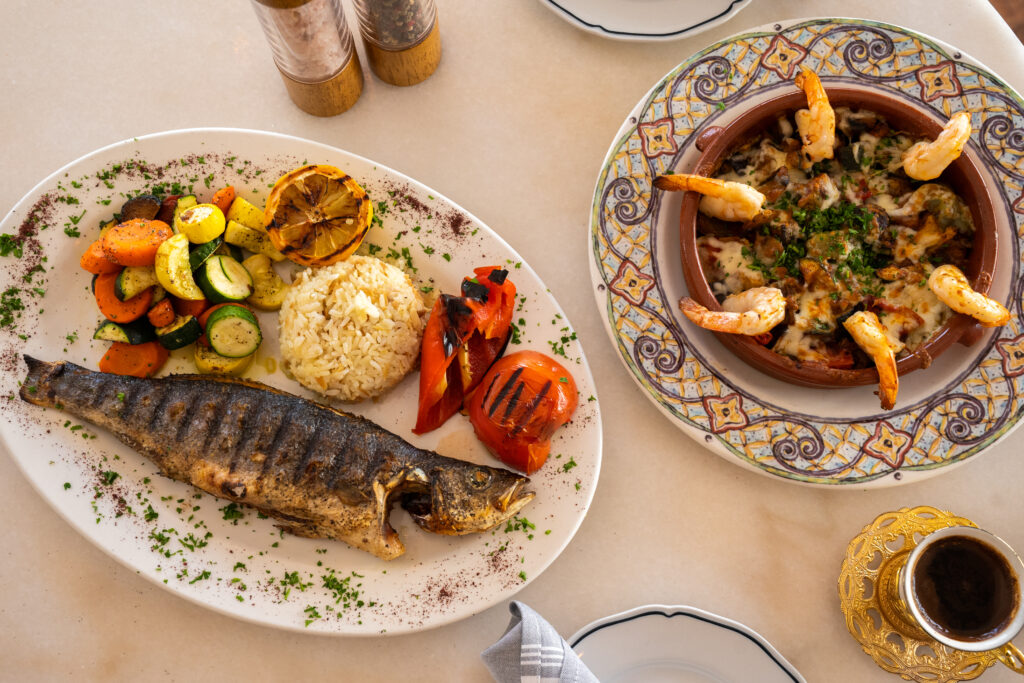
The reason it works so well for health is not any one superfood or magic ingredient. It is the combination. Olive oil provides healthy fats. Legumes and vegetables deliver fiber and antioxidants. Lean grilled proteins like chicken and fish keep the diet filling without loading it with saturated fat. Everything works together, and nothing gets eaten in extreme amounts.
What Does the Research Actually Say?
Decades of research back this eating pattern up. Studies have linked the Mediterranean diet to lower rates of heart disease, type 2 diabetes, certain cancers, and cognitive decline. One of the most well-known studies, the PREDIMED trial, found that people following a Mediterranean-style diet had significantly fewer cardiovascular events compared to those on a standard low-fat diet.
Beyond heart health, research has also connected this way of eating to better gut health, reduced inflammation, and lower blood pressure. There is growing evidence that it may help with mood and brain function too, which makes it one of the most well-rounded dietary approaches studied to date.
It is also one of the few diets that dietitians and doctors consistently agree on. It does not cut out entire food groups. It does not require expensive supplements. It does not ask you to count every calorie. It just asks you to eat real, whole food most of the time, which is something most people can actually stick to.
What Foods Are at the Heart of This Diet?
If you want to understand the Mediterranean diet, the best way is to look at what shows up on the table most often. Here is a simple breakdown:
- Olive oil is used as the main fat for cooking and dressing food, rather than butter or vegetable oils.
- Vegetables show up at nearly every meal, often roasted, grilled, or served fresh with a squeeze of lemon.
- Legumes like chickpeas, lentils, and white beans are a regular source of plant protein.
- Whole grains such as bulgur, farro, and whole wheat pita are common over refined white bread or pasta.
- Fish and seafood appear a few times a week, especially in coastal regions.
- Chicken and lamb are eaten in moderate amounts, often grilled or slow-cooked with herbs and spices.
- Fresh herbs like parsley, mint, oregano, and za’atar add flavor without extra sodium.
- Yogurt and cheese appear in small amounts, usually as part of a meal rather than the main event.
One thing that stands out about this list is how naturally it lines up with Turkish and Mediterranean restaurant menus. When you order grilled kebabs, hummus, warm pita, fresh salads, or a lamb gyro, you are eating exactly this kind of food. That is why healthy Mediterranean food in San Francisco is so easy to find if you know where to look.
How Turkish and Middle Eastern Food Fits In
Turkish food and Middle Eastern cuisine share a lot of the same foundations as the broader Mediterranean diet. Grilled meats, fresh vegetables, legume-based dips, and herb-heavy dishes are all central to both traditions. The flavors are bold and complex, but the ingredients themselves are clean and simple.
Hummus is a perfect example. It is made from chickpeas, tahini, lemon juice, garlic, and olive oil. That is it. Every one of those ingredients has nutritional value, and the dish as a whole is high in plant protein, healthy fat, and fiber. Served with warm pita and a side of fresh vegetables, it becomes a genuinely satisfying and well-balanced meal.
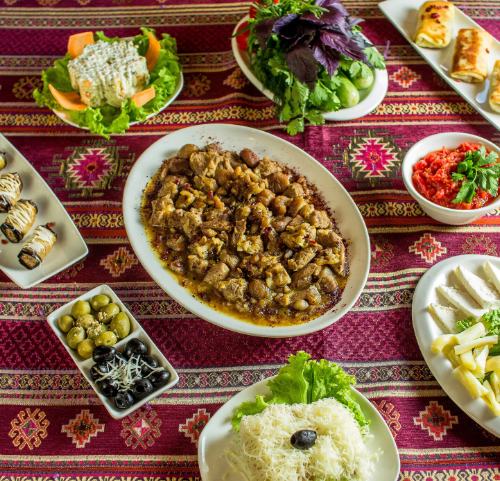
Kebabs are another great example of how this cuisine supports healthy eating. When protein is grilled over an open flame rather than fried or cooked in heavy sauces, the result is leaner and lighter. Turkish kebabs and döner kebab are typically made with seasoned lamb, chicken, or beef, served with rice, salad, and flatbread. That combination gives you protein, complex carbohydrates, and fresh produce in one plate.
For anyone searching for healthy dining options in SF or trying to eat better without giving up flavor, Turkish and Mediterranean restaurants offer one of the best paths forward. The food is filling, the ingredients are whole, and the flavor is anything but boring.
Where to Experience This Kind of Food in San Francisco
San Francisco has a strong culture around food, and the city’s diners tend to care a lot about quality and authenticity. That appetite has helped build a solid scene for Bay Area Mediterranean food, with spots that take the cuisine seriously and source fresh ingredients.
Presidio Kebab Mediterranean Restaurant is one of the most well-regarded options for authentic Turkish food in San Francisco. Located near the Presidio, it serves Turkish kebabs, Mediterranean platters, wraps, salads, hummus, and warm pita. The menu covers a wide range of the food traditions discussed in this guide, and the preparation stays true to how these dishes are actually made in their home regions.
It is a good fit for a lot of different situations. Families looking for family-friendly restaurants in the Presidio will find plenty of options that work for kids and adults alike. Friends meeting up for lunch or dinner can share mezze and platters. Anyone on the hunt for the best takeout Mediterranean food in SF can order for pickup and have a solid meal ready in minutes. It also works well as a casual date spot where the food does the talking.
For Bay Area foodies who enjoy exploring different food cultures, this is the kind of place that rewards curiosity. Trying a döner kebab or a lamb gyro for the first time, tasting a proper hummus made from scratch, or working through a platter of grilled meats and fresh salad gives you a real feel for what Mediterranean cuisine is all about.
A few practical tips if you are planning a visit or an order:
- If you are eating in, try to start with a dip or a salad before the main course. It mirrors how these meals are traditionally eaten.
- For takeout, rice plates and wraps hold up especially well and taste just as good at home.
- If you are new to the menu, asking for a recommendation is always a good move. People who love this food are usually happy to talk about it.
The Mediterranean diet is not a trend or a fad. It is a centuries-old way of eating that happens to be backed by strong science and built around food that actually tastes good. Whether you are eating for your health, eating for the flavor, or just hungry and looking for something satisfying, Mediterranean and Turkish cuisine delivers on all of it. San Francisco is lucky to have spots that do it well, and there has never been a better time to make it part of how you eat.