
Spices That Define Turkish Cuisine
Ask someone what makes Turkish food taste the way it does, and they will probably say the grill, or the freshness of the ingredients, or maybe the quality of the meat. All of those things matter. But the real answer, the one that explains why a bite of a Turkish kebab or a bowl of red lentil soup has that unmistakable depth, is spice. Specifically, it is a particular set of spices used in particular ways, built up over centuries of cooking tradition that stretches from the Ottoman palace kitchens of Istanbul to the regional home kitchens spread across a country that borders both Europe and the Middle East.
Turkish cuisine does not use spice to add heat or to mask the flavor of an ingredient. It uses spice to build flavor from the inside out, layering warmth, brightness, earthiness, and aroma in ways that feel complex without being confusing. Once you understand which spices define this cuisine and what each one does, you start to understand why Turkish food tastes the way it does and why it has earned its reputation as one of the most flavorful culinary traditions in the world.
The History Behind Turkish Spice Culture
Turkey’s relationship with spice is not accidental. For several hundred years, Istanbul was one of the most important stops on the global spice trade routes connecting Asia, the Middle East, and Europe. The Grand Bazaar and the Egyptian Spice Bazaar, which still exists today, were hubs where merchants traded cinnamon, cumin, pepper, saffron, and dozens of other spices from across the known world. Turkish cooks had access to a wider range and higher quality of spices than almost anyone else, and the cuisine that developed in that environment reflects it.
The Ottoman Empire’s palace kitchens, which employed hundreds of cooks and fed thousands of people daily, became the incubator where Turkish spice traditions were refined into something truly sophisticated. These kitchens developed specific spice blends for specific meats, specific preparations, and specific occasions. The knowledge built there filtered out into the broader food culture over time and eventually became the foundation of what we now recognize as Turkish cuisine.
Today, that history shows up in every properly made kebab, every bowl of spiced lentil soup, and every plate of döner served at restaurants across San Francisco and beyond. The spices being used have not changed much. What has changed is that more people outside of Turkey are getting to experience what those flavors can do.
The Spices That Show Up in Almost Every Turkish Kitchen
Some spices are interchangeable across different cuisines. Turkish spices are not. The ones listed here are specific, purposeful, and used in ways that would be recognizable to any cook who grew up with this food. Understanding them helps you taste more clearly when you are eating Turkish food and understand what you are actually experiencing.
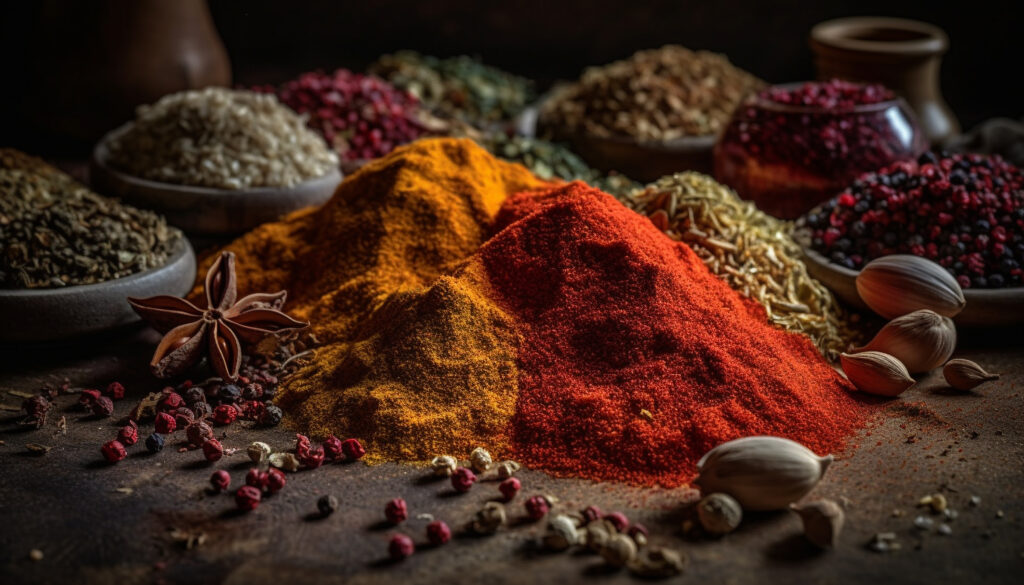
Cumin is the backbone of Turkish savory cooking. It is earthy, warm, slightly bitter, and deeply aromatic. It appears in almost every meat preparation, including köfte, adana kebab, and lamb shish. It gets added to lentil soups, rice dishes, and spiced vegetable preparations. Cumin works as a base note in Turkish flavor, the thing that grounds everything else and gives the food its characteristic warmth. Without cumin, Turkish meat dishes taste noticeably flatter.
Red pepper flakes, specifically the Turkish variety known as pul biber, are different from standard crushed red pepper. Turkish red pepper flakes are made from dried Aleppo or Marash peppers. They have a mild to moderate heat, a slightly oily texture, and a fruity, almost sweet quality underneath the spice. They are used in marinades, stirred into olive oil as a finishing drizzle, and sprinkled over dishes at the table. The flavor they add is complex rather than simply hot, which is why they appear so often in a cuisine that is not defined by intense heat.
Sumac is one of the most distinctly Turkish and Middle Eastern spices you will encounter. It comes from dried, ground sumac berries and has a tart, tangy, lemony flavor with a deep burgundy color. Sumac gets sprinkled over lamb gyro, mixed into fresh salads, dusted over hummus, and used as a finishing spice on grilled meats. It provides acidity and brightness without adding liquid or overpowering the main ingredient. If you have ever eaten a Turkish dish and noticed a tart, fruity note you could not quite identify, sumac is almost certainly what you were tasting.
Allspice, called yenibahar in Turkish, is used in savory cooking far more than most Western diners expect. The name reflects its flavor profile. It genuinely tastes like a combination of clove, cinnamon, and nutmeg in a single spice. In Turkish cooking, it goes into slow-braised lamb dishes, rice pilafs, stuffed vegetables, and certain köfte recipes. It adds warmth and a subtle sweetness that deepens the overall flavor without standing out on its own.
Cinnamon in Turkish cuisine appears in both sweet and savory applications, which surprises many people who associate it primarily with desserts. It gets added to slow-cooked meat dishes, rice stuffed into peppers and grape leaves, and certain regional stew preparations. The cinnamon used in savory Turkish dishes adds a background sweetness that balances the richness of lamb and beef in a way that no other spice quite replicates.
Dried mint is used far more heavily in Turkish cooking than in most other cuisines. Fresh mint appears too, but dried mint has a more concentrated, slightly different character that holds up better in cooked applications. It gets stirred into cacik, the yogurt and cucumber dip, sprinkled over lentil soup as a finishing spice, and mixed into certain herb-based fillings for börek and stuffed vegetables. The dried version has a cool, slightly medicinal quality that adds a clean contrast to warm, spiced dishes.
Za’atar is technically a spice blend rather than a single spice, but it is so central to Turkish and broader Mediterranean cooking that it belongs in this conversation. It combines dried thyme, sesame seeds, sumac, and salt into a nutty, herby, slightly tangy mix. Za’atar gets stirred into olive oil and spread on warm flatbread, sprinkled over salads, and used as a rub for roasted meats and vegetables. The combination of thyme and sumac in za’atar captures two of the most important flavor threads in Turkish cuisine simultaneously.
Here are a few additional spices worth knowing:
- Coriander seeds, ground or whole, have a citrusy, floral quality that lightens meat marinades and works well with chicken and roasted vegetables.
- Black pepper is used throughout Turkish cooking, often paired with cumin in spice rubs for grilled meats and added to slow-cooked stews.
- Turmeric adds golden color and a mild earthiness to certain rice dishes and some regional preparations.
- Paprika, both sweet and smoked, appears in marinades, tomato-based sauces, and as a finishing garnish on dips like hummus and yogurt preparations.
How These Spices Come Together in Real Dishes
Understanding individual spices is useful. Seeing how they work as a team in actual dishes is where the real picture comes together.
A classic adana kebab marinade uses cumin, red pepper flakes, garlic, and black pepper pressed into ground lamb or beef before it goes on the skewer. That combination produces the deep, slightly spicy, earthy flavor that makes adana distinct from every other ground meat preparation. The spices are not decorative. They are structural.
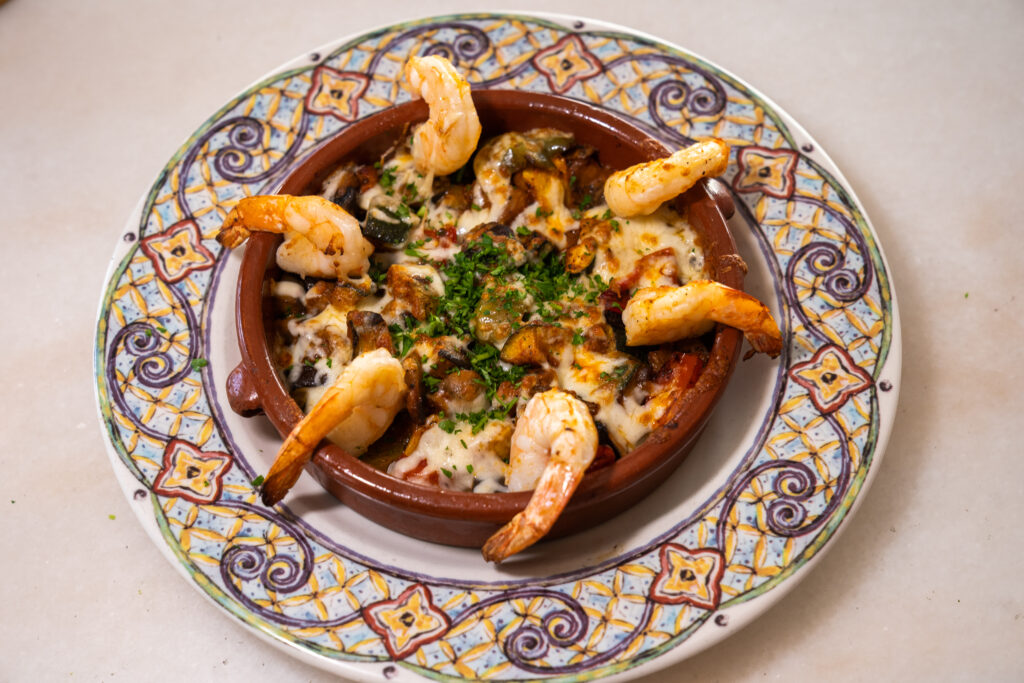
A bowl of mercimek çorbası, the Turkish red lentil soup, gets its warmth from cumin and its finishing brightness from a drizzle of olive oil infused with pul biber. A squeeze of lemon at the table adds acidity. Those three elements, cumin warmth, red pepper heat, and citrus brightness, are a condensed version of the broader Turkish spice philosophy in a single bowl.
Döner kebab, one of the most popular dishes at any Turkish or Mediterranean restaurant in San Francisco, relies on a spice blend that typically includes allspice, cumin, red pepper, coriander, and garlic. That blend gets worked into the meat before it is stacked and slow-cooked on the rotating spit. The slow heat concentrates the spices into the meat and creates the intensely flavorful outer layer that makes properly made döner so satisfying.
Hummus, while not a spiced dish in the traditional sense, gets its character partly from cumin and finishing paprika. The creaminess of the chickpeas and tahini provides the base, but the cumin adds the savory depth that prevents it from tasting flat, and the paprika on top adds color and a mild smoky note.
Where to Taste These Spices Done Right in San Francisco
Knowing about Turkish spices is one thing. Tasting them in well-made food is where the knowledge becomes real. San Francisco has a good selection of Turkish and Mediterranean restaurants for anyone searching for authentic Turkish food in the city or looking for the best Mediterranean restaurants in San Francisco with genuine spice traditions behind the food.
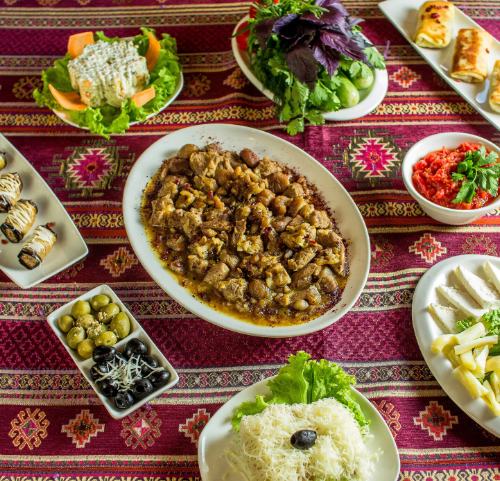
Presidio Kebab Mediterranean Restaurant near the Presidio is a well-regarded option for experiencing real Turkish flavors in the Bay Area. The menu includes grilled kebabs, döner, hummus, warm pita, gyro sandwiches, Mediterranean platters, and fresh salads. Each of these dishes reflects the spice traditions covered in this guide, and the food is prepared in a way that lets those flavors come through clearly rather than getting buried under sauces or oversimplified for a generic audience.
The restaurant works for a range of situations. Families looking for family-friendly restaurants in the Presidio will find the menu broad and approachable. Anyone who wants the best takeout Mediterranean food in SF can order kebab plates and wraps that hold their flavor well after pickup. For Bay Area foodies interested in gourmet Mediterranean dining with real roots behind it, this is a solid and consistent choice.
Presidio Kebab Mediterranean Restaurant is also a good option for anyone exploring halal Mediterranean food in SF, since Turkish restaurants typically maintain halal standards in their meat sourcing and preparation.
Spices are what separate food that is technically correct from food that is genuinely memorable. In Turkish cuisine, they are not an accent or a finishing touch. They are part of the structure of every dish, chosen carefully and used with the kind of confidence that only comes from a very long time of knowing exactly what works. That is what you taste when Turkish food is made well, and once you know what to look for, you will notice it every time.