
The Kebab That Made Me Realize Everything I’d Eaten Before Was Basically Glorified Meat Sticks
My friend Ben thought he knew kebabs – he’d been to every food truck and Mediterranean restaurant in the Bay Area eating what they called kebabs. Then he went to Presidio Kebab and ordered the Adana kebab because the server recommended it. When it arrived, still sizzling from the charcoal grill with perfect char marks and this incredible smoky aroma, he took one bite and literally stopped chewing to process what he was tasting.
He said it was like discovering that what he thought was coffee had actually been instant Folgers his whole life and this was the real thing. The hand-kneaded texture, the spice balance, the way the fat rendered during grilling created this juicy flavorful experience – he couldn’t believe the difference. Now he brings everyone there and makes them order proper Turkish kebabs while explaining loudly that food truck skewers aren’t real kebabs. His kebab evangelism has gotten annoying but honestly he’s not wrong.
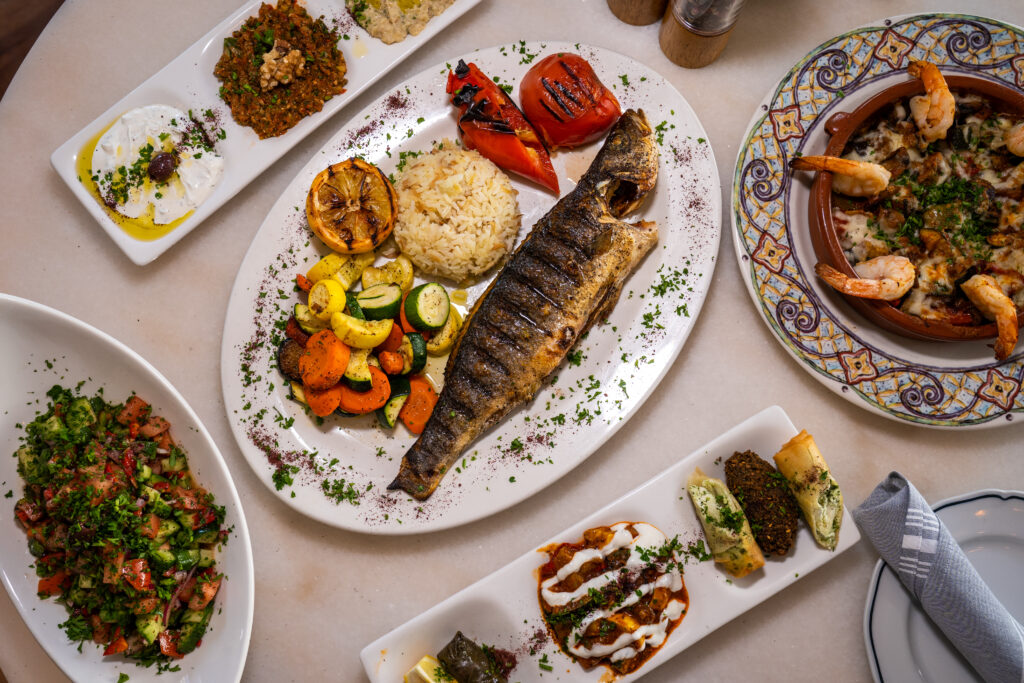
That’s the kebab restaurant San Francisco quality gap – lots of places sell “kebabs” that are just generic grilled meat on sticks. Finding traditional grilled kebabs made with actual Turkish technique and proper ingredients is surprisingly difficult.
What Traditional Turkish Kebabs Actually Are
Kebab in Turkish cuisine isn’t just meat on a skewer. It’s a specific preparation method with regional variations, traditional techniques, and cultural significance. Different kebab types have distinct names and preparation styles that matter.
At Presidio Kebab, the menu lists specific kebab types with their proper Turkish names – Adana, Urfa, shish, Beyti, İskender. These aren’t random marketing terms – they’re actual regional Turkish kebab traditions, each with specific preparation methods.
My friend Deniz from Turkey says most American restaurants just call everything “beef kebab” or “chicken kebab” without understanding that Turkish kebab culture has dozens of distinct styles. Seeing proper names on a menu indicates knowledge of tradition.
The preparation techniques differ dramatically. Adana is hand-kneaded ground meat with specific texture. Shish is marinated chunks. İskender is thinly sliced döner over bread with sauce and butter. Each requires different skills and creates different eating experiences.
Traditional Grilled Kebab Techniques
Turkish kebab grilling follows traditional methods developed over centuries. Charcoal grills, specific heat management, fat content considerations, hand-kneading techniques for ground meat – these details separate authentic kebabs from generic grilled meat.
At Presidio Kebab, you can tell they’re using proper technique. The charcoal grill creates authentic smoke flavor and char. The meat texture indicates hand preparation, not machine processing. The seasoning is balanced, not overwhelming.
My friend Tom who’s obsessed with grilling says watching the kebabs being made reveals the technique – the way they shape the meat on skewers, how they manage grill temperature, when they turn the skewers. These details matter.
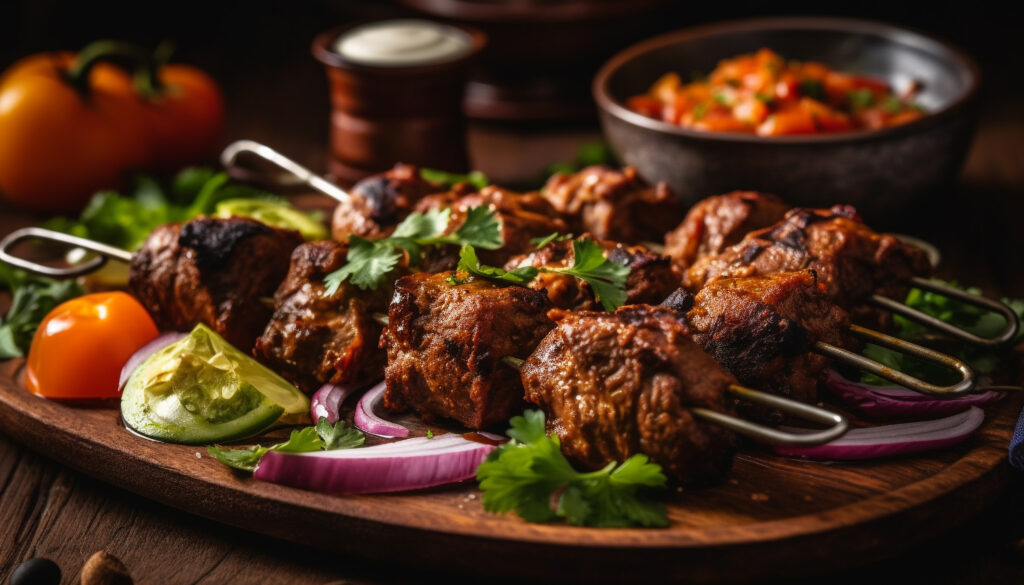
The fat content is crucial too. Proper kebabs include fat for flavor and moisture. Lean meat creates dry disappointing kebabs. The ratio of meat to fat requires knowledge and experience to get right.
Kebab Types and Regional Variations
Turkish kebab culture includes regional specialties. Adana kebab from southern Turkey is spicy. Urfa kebab from southeastern Turkey is milder. İskender from Bursa has specific sauce preparation. These regional identities matter to Turkish people.
Presidio Kebab represents multiple regional styles. You’re not just getting generic kebabs – you’re experiencing different Turkish regional grilling traditions.
My coworker Elif says being able to get Adana kebab prepared properly in San Francisco is significant for Turkish community. It’s not just food – it’s cultural connection to specific regions of Turkey.
The spicing differs across regions too. Southern Turkish kebabs use Aleppo pepper. Central regions are milder. Understanding these differences shows respect for kebab traditions.
San Francisco Kebab Scene Quality
San Francisco has various places selling kebabs – food trucks, generic Mediterranean restaurants, fast casual chains. Quality varies wildly. Most are convenient but not authentic or particularly good.
Presidio Kebab operates at different quality level. The meat is clearly higher grade. The grilling technique is proper. The preparations follow traditional methods instead of shortcuts. The difference is noticeable.
My friend who’s tried probably twenty kebab places in SF says Presidio Kebab ranks in the top tier for authenticity and quality. Not just good for San Francisco – actually good by kebab standards.
The charcoal grill alone sets them apart. Most places use gas grills for convenience. Charcoal creates flavor that gas can’t replicate. That commitment to traditional method matters.
Adana Kebab Preparation and Flavor
Adana kebab is ground lamb mixed with tail fat, hand-kneaded with spices including Aleppo pepper, shaped onto wide flat skewers, grilled over high heat. The texture should be specific – holds together but has slight coarseness from hand chopping.
At Presidio Kebab, the Adana kebab shows proper preparation. The texture indicates hand-kneading. The spice level reflects authentic Adana style – noticeable heat but not overwhelming. The char from the grill creates flavor complexity.
My friend Ben orders Adana exclusively now because he says it’s the most flavorful kebab type. The fat content keeps it juicy. The spicing creates depth. The texture is satisfying.
The traditional serving matters too – comes with rice, grilled vegetables, lavash bread. You’re not just eating meat – you’re experiencing complete Turkish kebab meal.
Urfa Kebab Milder Alternative
Urfa kebab is similar to Adana but uses milder peppers, creating less spicy but equally flavorful kebab. For people who don’t like heat, Urfa provides Turkish kebab experience without the burn.
My friend who’s sensitive to spice orders Urfa and says it’s perfect – full lamb flavor, proper texture, none of the spicy discomfort she gets from Adana.
The preparation technique is identical to Adana – hand-kneaded ground meat, flat skewers, charcoal grilling. Only the pepper type differs. This shows regional variations aren’t random – they’re adaptations to local preferences.
At Presidio Kebab, having both Adana and Urfa lets diners choose their heat level while experiencing authentic Turkish ground meat kebabs.
Shish Kebab Traditional Style
Shish kebab is chunks of marinated meat on skewers – the preparation most Americans associate with the word “kebab.” But traditional Turkish shish has specific marinade, specific cut sizes, specific grilling method.
The lamb shish at Presidio Kebab uses proper lamb cuts marinated in olive oil, lemon, and spices. The chunks are sized for even cooking. The grilling creates char without overcooking interior.
My friend Marcus who judges restaurants by their lamb says the shish here shows quality meat and proper technique. The lamb isn’t gamey, the marinade penetrates but doesn’t overpower, the cooking achieves proper doneness.
The chicken shish uses yogurt-based marinade that keeps chicken moist during high-heat grilling. This is traditional Turkish chicken preparation – the yogurt tenderizes and adds tang.
İskender Kebab Layered Experience
İskender kebab is more complex than grilled meat – it’s thinly sliced döner meat over torn pide bread, covered with tomato sauce, topped with melted butter, served with yogurt on the side. The layers create specific eating experience.
At Presidio Kebab, İskender is prepared traditionally. The döner meat is shaved thin. The bread soaks up meat juices and sauce. The butter adds richness. The yogurt provides cooling contrast.
My coworker says İskender is her favorite because it’s not just meat – it’s a composed dish with contrasting textures and temperatures. The hot meat and butter against cool yogurt creates dynamic eating.
This kebab style originated in Bursa, Turkey and is named after its creator. Having it on the menu shows knowledge of Turkish kebab history beyond just grilled meat.
Charcoal Grilling Traditional Method
Charcoal grilling is essential to authentic Turkish kebabs. The smoke, the high heat, the specific flavor created by charcoal combustion – these elements define traditional kebab taste.
Presidio Kebab uses charcoal grills, not gas. You can smell the charcoal when you walk in. You can see the grill if you sit near the kitchen. That commitment to traditional method creates authentic results.
My friend who’s worked in restaurants says charcoal is more expensive and harder to manage than gas. Choosing charcoal despite added difficulty shows priority for authenticity over convenience.
The char patterns on the kebabs indicate proper charcoal grilling. Gas grills create different marks. The smoke penetration into the meat comes from charcoal specifically.
Kebab Marinades and Seasonings
Turkish kebab marinades and seasonings vary by kebab type and regional tradition. Yogurt for chicken. Olive oil and lemon for lamb. Specific spice blends for ground meat. Each marinade serves specific purpose.
At Presidio Kebab, the marinades are noticeable. Chicken has yogurt tang. Lamb has herb and citrus notes. Ground meat kebabs have complex spicing. Nothing tastes generic or under-seasoned.
My friend who’s into cooking asks staff about marinades and spice blends. They’re willing to explain general approaches, indicating they have actual knowledge, not just following anonymous recipes.
The balance matters – marinades should enhance meat flavor, not overpower it. Proper Turkish kebab tastes like seasoned grilled meat, not like eating spices with meat texture.
Kebab Restaurant Atmosphere and Experience
Kebab restaurants in Turkey range from casual street food to sit-down establishments. Presidio Kebab occupies middle ground – casual enough for regular meals but nice enough for special occasions.
The atmosphere supports the food. You can see the grill, smell the charcoal smoke, hear the sizzle of kebabs cooking. The sensory experience creates anticipation and authenticity.
My friend Sarah says the open kitchen concept works for kebab restaurants because watching kebabs grill is part of the experience. You’re seeing traditional cooking methods in action.
The smell of charcoal-grilled meat permeates the space. For kebab lovers, that smell triggers immediate hunger and appetite. It’s atmospheric and functional simultaneously.
Traditional Kebabs for Different Occasions
Kebabs work for various occasions – quick lunch, date night dinner, group celebrations, business meals. The format adapts to different contexts.
For quick lunch, kebab wraps provide portable efficiency. For dinner, kebab plates with sides create complete meals. For groups, mixed grill platters offer variety.
My coworker uses kebab lunch for efficient eating. Order ahead, pick up, eat at desk, back to work. The food is substantial enough to sustain afternoon work.
My friend David does date nights with kebab plates and sharing format. The food quality impresses while the casual atmosphere keeps things comfortable.
San Francisco Turkish Kebab Standards
The Turkish community in San Francisco is relatively small but has specific expectations for kebab quality. Having Turkish customers regularly eating at your kebab restaurant indicates authentic quality.
My coworker Deniz sees Turkish people at Presidio Kebab regularly. She says this is the test – if Turkish people choose to eat there instead of cooking at home or going elsewhere, the food meets authentic standards.
The staff includes Turkish speakers. Customers can order in Turkish if they want. This cultural authenticity extends beyond just food to overall experience.
For non-Turkish people, having Turkish approval provides confidence. If people from the culture eat there regularly, the food is probably legitimately authentic.
Kebab Portions and Value
Turkish kebab portions are traditionally generous. Hospitality means feeding people properly. Small portions would be insulting in Turkish culture.
At Presidio Kebab, the portions reflect this generosity. One kebab plate includes multiple skewers, rice, vegetables, bread. You’re getting substantial food that actually fills you up.
My friend who’s budget-conscious says kebab plates here provide excellent value – $16-22 for a huge plate of quality grilled meat with sides. That’s fair pricing for the quantity and quality.
The portions often create leftovers. My roommate takes half his kebab plate home for next day’s lunch. The reheated kebabs are still good, extending the value.
Traditional Grilled Kebabs for Meat Lovers
If you love meat and grilling, Turkish kebabs represent peak meat preparation. Centuries of tradition focused on grilling meat perfectly. The techniques, seasonings, and methods create optimal results.
My friend Tom who’s obsessed with meat says Turkish kebabs taught him new approaches to grilling. The fat content, the hand-kneading for texture, the charcoal technique – these aren’t just random choices, they’re refined traditional methods.
For carnivores wanting to understand meat quality and preparation, eating traditional Turkish kebabs is educational. You’re tasting what proper technique creates.
The variety across kebab types also appeals to meat enthusiasts. Different cuts, different preparations, different flavor profiles – all within kebab tradition.
Kebab Quality Consistency
Consistency is challenging for grilled foods. Small variations in heat, timing, or preparation create different results. Maintaining kebab quality across multiple services requires skill and systems.
Presidio Kebab delivers consistent kebab quality. My friend who’s been probably thirty times says the Adana kebab tastes the same every visit. That reliability indicates good training and standardized procedures.
The consistency extends to takeout. The kebabs travel well and maintain quality for home consumption. Grilled meat often suffers during transport, but proper technique creates kebabs that hold up.
My coworker orders takeout kebabs weekly and says quality never drops. Same juiciness, same char, same flavor every time.
Traditional Kebabs Worth Seeking Out
Most people’s kebab experience is limited to food trucks or generic Mediterranean restaurants. Those are fine for convenience but don’t represent what traditional Turkish kebabs actually are.
At Presidio Kebab, you’re eating kebabs prepared with Turkish technique and knowledge. The difference between this and food truck meat-on-a-stick is dramatic.
My friend Ben’s journey from thinking he knew kebabs to discovering authentic Turkish kebabs mirrors what happens to most people who try proper traditional preparation. Once you’ve had the real thing, you can’t go back to accepting mediocre versions.
The charcoal grilling, the hand-preparation, the traditional seasonings, the proper fat content – these details create kebabs that are actually worth seeking out specifically, not just eating because they’re convenient.
Kebab Restaurant Experience in San Francisco
For San Francisco diners wanting quality kebabs beyond generic Mediterranean restaurants, Presidio Kebab delivers traditional Turkish grilling excellence.
The menu includes proper kebab varieties with traditional names. The preparation follows authentic methods. The charcoal grill creates proper flavor. The portions reflect Turkish generosity. The quality justifies regular visits.
My friend who’s explored the kebab scene extensively says this is where he brings people when he wants to show them what real kebabs taste like. It’s his reference standard.
If you’re in San Francisco and you think you know kebabs because you’ve had food truck skewers or generic restaurant “chicken kebab,” try traditional Turkish kebabs at Presidio Kebab. Order the Adana if you like spice, or Urfa if you prefer mild. Get the shish kebab to taste properly marinated grilled chunks. Try İskender for the layered traditional preparation.
Watch the kebabs come off the charcoal grill. Notice the char and smoke. Taste the texture from hand-kneading. Experience the spice balance from traditional seasonings. Understand that kebabs are an actual cuisine with centuries of refinement, not just generic grilled meat.
Your definition of what kebabs are and what quality means will expand. Sometimes you don’t know what you’re missing until you taste the real version. Traditional Turkish kebabs reveal what grilled meat can be when technique, ingredients, and cultural tradition align perfectly.