
The Most Underrated Turkish Dishes You Need to Try
Most people who have eaten at a Turkish restaurant have ordered the same things. Kebabs, hummus, warm pita, maybe a gyro or some doner. Those dishes are popular for a reason and deserve every bit of attention they get. But Turkish cuisine is one of the deepest and most varied food traditions in the world, and the dishes that show up on every menu represent only a small fraction of what this cuisine actually contains.
The real range of Turkish cooking stretches far beyond grilled meat on a skewer. There are slow-braised dishes that take hours to develop their flavor. There are cold preparations that rely entirely on olive oil and fresh vegetables. There are soups that have been made the same way for centuries, breads that serve as both vessel and ingredient, and fermented foods that most Western diners have never encountered. This guide covers the Turkish dishes that rarely get the spotlight they deserve, explains what makes each one worth seeking out, and gives you a much fuller picture of why Turkish cuisine belongs in the conversation alongside any of the great food traditions of the world.
The Dishes That Never Make It onto the Short Menu
Every cuisine has a short menu and a long menu. The short menu is what most restaurants outside of the home country offer because it is familiar and sells well. The long menu is what people actually eat at home, at regional restaurants, at family gatherings, and in the small neighborhood spots that do not cater to tourists or outsiders. Turkish cuisine’s long menu is extraordinary, and these are some of its most underappreciated entries.
Çiğ köfte is one of the most surprising dishes in Turkish cuisine for anyone encountering it for the first time. The name translates to raw meatballs, which was historically accurate when the dish was made with raw minced lamb. Modern çiğ köfte, which is now the version sold everywhere in Turkey from street carts to sit-down restaurants, is entirely plant-based. It is made from fine bulgur wheat kneaded vigorously with tomato paste, red pepper paste, onion, fresh herbs, and a complex blend of spices including cumin, coriander, and dried mint.
The kneading process softens the bulgur and develops the flavors until the mixture holds together like a soft dough. It gets served with lettuce leaves and thin lavash for wrapping, a squeeze of lemon, and pomegranate molasses drizzled over the top. The flavor is bold, spicy, tangy, and deeply satisfying in a way that feels nothing like any other plant-based dish. It is one of the most genuinely unique things in Turkish street food culture and almost completely unknown outside the country.
Tarhana çorbası deserves its own extended conversation because it represents something that almost no other cuisine has. Tarhana is a fermented mixture of yogurt, cooked tomatoes, peppers, onions, and wheat flour or bulgur that gets dried and ground into a powder or left in a crumbled paste. The fermentation process gives it a distinctly sour, savory, deeply umami flavor that develops complexity over weeks of drying. When mixed with hot water or broth and cooked into a soup, tarhana produces one of the most warming and nutritionally dense bowls of food in existence.
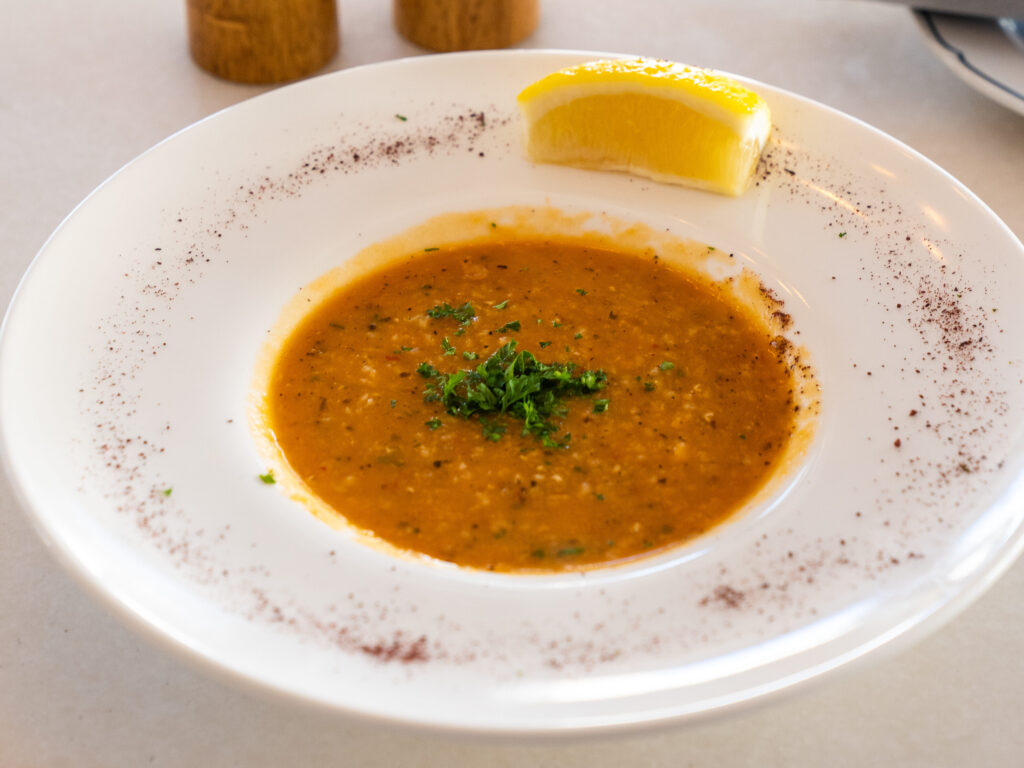
It is high in probiotics from the yogurt fermentation, rich in vitamins from the cooked vegetables, and unlike anything you can replicate with shortcuts. Every family in Turkey has a version of this soup, and many still make their own tarhana in late summer when tomatoes and peppers are at their peak. Outside of Turkey, this dish is almost impossible to find, which makes it one of the great hidden treasures of Turkish cuisine.
Kışlık dishes, the preserved and slow-cooked preparations traditionally associated with winter, represent a whole category of Turkish cooking that rarely makes it onto restaurant menus abroad. Etli kuru fasulye, white beans slow-cooked with lamb and tomato until the beans have completely absorbed the meat’s fat and the broth has reduced into something thick and intensely flavorful, is one of the most beloved of these. It is the kind of dish that improves with time, tastes better on the second day, and feeds a crowd without pretension. Served alongside plain rice and pickled vegetables, it is the definition of Turkish home cooking at its most honest and satisfying.
Karnıyarık is another dish in this category that deserves far more international recognition than it gets. The name means split belly, which describes the preparation exactly. Whole eggplants get fried until they are completely soft, then split open and filled with a mixture of seasoned ground meat, onion, tomato, and green pepper. They go into the oven to finish cooking until everything melds together and the eggplant has absorbed all the fat and juices from the filling. The result is a dish where the eggplant itself becomes the vessel, the sauce, and a flavor contributor all at once, creating a deeply satisfying combination of textures and tastes that no other preparation quite replicates.
This is different from imam bayildi, the more well-known stuffed eggplant dish, because karnıyarık uses meat and cooks hot rather than braising slowly in olive oil. Both are excellent and both are underappreciated outside Turkey, but karnıyarık has a heartier, richer quality that makes it one of the most satisfying things in the Turkish comfort food catalog.
Soups, Breads, and Preparations That Define Turkish Daily Life
The category of Turkish food that most people never encounter is the everyday food that Turkish families eat for breakfast, as a midday snack, or as a warming first course before the main meal. These preparations are simple, deeply rooted in regional tradition, and nutritionally sound in ways that align perfectly with what modern food culture claims to want but rarely finds in practice.
Mercimek köftesi is different from the red lentil soup that sometimes appears on Turkish restaurant menus. These are cold, firm lentil cakes made from cooked red lentils mixed with fine bulgur, caramelized onion, cumin, red pepper flakes, and fresh parsley, then shaped into small oval portions and served at room temperature with a squeeze of lemon and a drizzle of olive oil.
They are eaten as a meze dish or a snack, and they represent Turkish plant-based cooking at its most satisfying. High in protein and fiber from both the lentils and the bulgur, full of flavor from the caramelized onion and the spices, and completely without any animal product, these are one of the great underrated vegetarian dishes in world cuisine and an example of how Turkish cooking has always treated plant-based food as real food rather than a lesser alternative.
Simit is the bread that defines Turkish street food culture more than any other single item. It is a circular bread covered in sesame seeds, with a texture somewhere between a bagel and a soft pretzel. The dough gets dipped in a solution of grape molasses and water before being coated in sesame seeds and baked, which gives the crust a deep golden color and a subtle sweetness underneath the nutty sesame. Simit sellers push carts through Turkish streets and neighborhoods, and eating a fresh simit with a glass of tea in the morning is as fundamental to Turkish daily life as croissants are to France or toast is to Britain.
In the United States, simit is almost impossible to find outside of Turkish specialty bakeries and a very small number of authentic Turkish restaurants. People who encounter it for the first time consistently wonder why it is not more common, because the flavor and texture hit a combination that is genuinely different from any bread tradition in Western food culture.
Ayran, the cold salted yogurt drink that accompanies most Turkish meals, is another item that most people outside the Turkish and Middle Eastern dining world have never tried. It is made from yogurt, water, and a pinch of salt, blended until smooth and frothy. The flavor is tangy, slightly salty, and cooling in a way that pairs specifically well with spiced meats and rich dishes.
In Turkey, ayran is served everywhere from fine dining restaurants to fast food chains and street carts, and it is considered the natural companion to doner kebab, grilled meats, and heavy grain dishes. The combination of fat from the yogurt and the saltiness works on the same principle as a palate cleanser, cutting through the richness of the main food and making the next bite taste as good as the first.
Sütlaç, Turkish rice pudding, sits in the dessert category but deserves mention here because the Turkish version is so different from what most people imagine when they hear the words rice pudding. Turkish sütlaç gets baked in individual clay pots until the top develops a dark, caramelized skin from the oven heat. Underneath that slightly bitter, toasty top layer, the rice and milk mixture is creamy and delicately sweet.
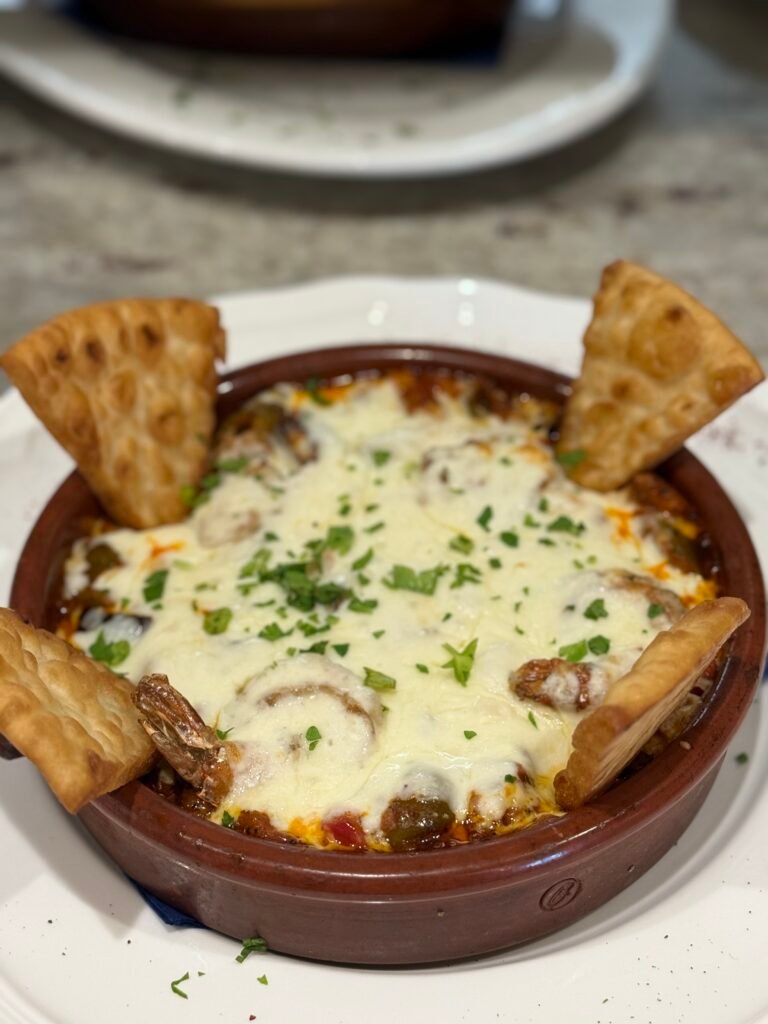
The contrast between the scorched surface and the smooth interior is what makes it special, and it is a contrast that most non-Turkish rice pudding preparations never attempt. The dessert is mild and comforting in a way that does not overwhelm after a full meal, which is exactly the role it has always played at the end of a Turkish dinner.
Finding Authentic Turkish Food in San Francisco
San Francisco has a food scene that rewards curiosity, and Bay Area foodies who venture beyond the familiar short menu of any cuisine consistently find that the depth of what was waiting for them was worth the exploration. Turkish cuisine is a particularly rewarding one to explore because the gap between what most people have tasted and what the cuisine actually contains is so large.
Presidio Kebab Mediterranean Restaurant near the Presidio is a well-regarded option for anyone looking for authentic Turkish food in San Francisco. The menu covers Turkish kebabs, doner, gyro sandwiches, hummus, warm pita, Mediterranean platters, fresh salads, and wraps, giving diners a solid foundation in the most recognized parts of the cuisine. For anyone who wants to build from that foundation and explore further, the restaurant represents the kind of place where the cooking philosophy is genuinely rooted in Turkish and Mediterranean food traditions rather than adapted for maximum mainstream appeal.
The restaurant is a good fit for a wide range of dining situations. Families looking for family-friendly restaurants in the Presidio will find the menu approachable and varied enough to satisfy different ages and preferences. Anyone relying on the best takeout Mediterranean food in SF for a weeknight meal will find the dishes hold their quality and flavor well after pickup. For Bay Area eats that have genuine cultural depth behind them, Turkish and Mediterranean food at Presidio Kebab Mediterranean Restaurant is a consistent and honest choice.
Turkish cuisine rewards the people who are willing to go past the first page of the menu. The dishes covered in this guide, from fermented tarhana soup to sesame-crusted simit to spiced lentil cakes served cold with lemon, represent a food tradition that has been developing for centuries and has far more to offer than most of its fans abroad have ever discovered. The best way to start is simply to ask, to be curious, to order something unfamiliar, and to pay attention to what arrives. Turkish cooking has a way of making that curiosity worth every bite.