
The Stuffed Grape Leaves That Made My Yiayia Admit Someone Else’s Cooking Was “Not Bad”
My friend Alex’s Greek grandmother is notorious in the family for being impossible to please with food. She’s made stuffed grape leaves (dolmades) for sixty years and thinks nobody else’s version comes close. She’ll try other people’s attempts, make this dismissive face, and say “this is why nobody should try” before launching into what they did wrong. Alex’s family stopped serving grape leaves at gatherings to avoid her criticism. Last Thanksgiving Alex brought dolma from Presidio Kebab just to see what would happen.
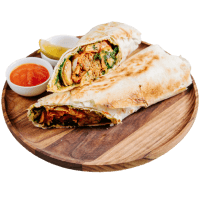
His yiayia tried one, chewed slowly with her critical face, took another bite, and said in Greek “whoever made these knows what they’re doing, the rice is right, the grape leaves are tender, it’s… not bad.” The entire family went silent because “not bad” from yiayia is basically a Michelin star. She ate six more and asked where they came from. Now Alex brings restaurant dolma to every family event and his yiayia’s reign of grape leaf terror has ended. Food diplomacy works when the food is that good.
That’s the dolma and sarma San Francisco quality challenge – stuffed grape leaves are labor-intensive to make properly. Finding versions good enough to satisfy Mediterranean grandmothers who’ve made them thousands of times is nearly impossible.
What Dolma and Sarma Actually Are
Dolma (Turkish) and sarma both refer to stuffed foods. Yaprak sarması specifically means stuffed grape leaves. Greeks call them dolmades. Arabs call them warak enab. The dish exists across Mediterranean and Middle Eastern cultures with regional variations in filling, seasoning, and preparation.
At Presidio Kebab, the stuffed grape leaves follow Turkish-Mediterranean tradition. Grape leaves wrapped around rice and herb filling, sometimes with meat, cooked in lemon-olive oil liquid until tender. Each piece is hand-rolled – labor-intensive traditional preparation.
My friend Deniz from Turkey says the terminology matters to Turkish people. “Dolma” technically refers to vegetables stuffed (peppers, tomatoes, eggplant). “Sarma” means wrapped in leaves. But the terms get used interchangeably, especially in America.
The regional variations are significant. Greek versions typically use more dill and lemon. Turkish versions include mint and sometimes currants. Arab versions might include different spice blends. These aren’t just random differences but cultural preferences passed through generations.
Stuffed Grape Leaves Labor Intensity
Making dolma/sarma properly is time-consuming labor of love. Preparing grape leaves (fresh, jarred, or preserved), making filling, rolling each piece individually, arranging in pot carefully, cooking slowly – the process takes hours.
At Presidio Kebab, someone is hand-rolling these grape leaves. Each piece is individually assembled. That labor shows in the uniform rolling, the proper tightness, the consistent size. Machine-rolled or carelessly made dolma is immediately obvious in inconsistent appearance and texture.
My friend’s grandmother made dolma for family gatherings. She’d spend entire afternoon rolling hundreds of pieces. She says you can tell when someone takes time versus rushing or using shortcuts. The care shows in final result.
The rolling technique requires practice. Too loose and filling falls out during cooking. Too tight and rice can’t expand, creating dense unpleasant texture. Proper tension comes from experience making these hundreds of times.
San Francisco Dolma Quality Standards
San Francisco has various places selling stuffed grape leaves – Greek restaurants, Turkish spots, Middle Eastern delis, even grocery stores selling jarred versions. Quality ranges from inedible to acceptable to excellent.
Presidio Kebab’s dolma operates at quality level that satisfies people from Mediterranean cultures who grew up eating homemade versions. Getting approval from Greek yiayias or Turkish grandmothers is meaningful validation.
My friend Alex says his grandmother’s “not bad” comment was family legend immediately. Everyone texted about it. For her to approve anyone else’s grape leaves was unprecedented. The quality must be genuine to overcome her decades of critical expertise.
The common problems with bad dolma: grape leaves too tough or too mushy, filling too dense or falling apart, over-lemoned or under-seasoned, wrong rice texture, sitting too long and getting slimy. Avoiding all these pitfalls requires skill.
Grape Leaf Preparation Techniques
Grape leaves must be properly prepared whether fresh, jarred, or preserved. Fresh leaves need blanching. Jarred leaves need rinsing to remove brine. Preserved leaves need careful handling. The preparation affects final texture significantly.
At Presidio Kebab, the grape leaves are tender but intact – not tough and chewy, not dissolved into mush. That balance indicates proper leaf preparation and cooking time calibration.
My coworker who makes dolma says leaf quality varies enormously. Some jarred leaves are too small, too torn, wrong texture. Finding good grape leaves requires testing different brands and sources. Quality leaves make quality dolma possible.
The stem removal matters too. Leaving stems creates unpleasant texture. Careful trimming without tearing leaves requires precision. These details separate careful preparation from careless assembly.
Turkish Dolma Filling Components
Turkish-style dolma filling typically includes rice, onions, olive oil, pine nuts, currants, fresh mint, parsley, dill, spices like allspice and cinnamon. Some versions include ground meat (etli sarma), others are vegetarian (zeytinyağlı sarma).
At Presidio Kebab, the filling tastes properly seasoned with herbs and spices evident. The texture has slight resistance from rice that’s cooked but maintains individual grain identity. This indicates proper filling preparation and cooking technique.
My friend Deniz says the herb balance is crucial. Too much mint overpowers. Too little makes bland filling. Proper Turkish dolma has fresh herb flavor without any single herb dominating.
The rice should be partially cooked before rolling since it continues cooking inside grape leaves. Using raw rice risks undercooked centers. Using fully cooked rice creates mushy texture. The pre-cooking level requires judgment and experience.
Greek Dolmades Distinct Characteristics
Greek dolmades emphasize dill and lemon more than Turkish versions. The filling is typically all rice (no meat in traditional versions). The serving is often cold or room temperature as appetizer or meze.
At Presidio Kebab, the preparation leans Turkish-Mediterranean style, which satisfies Greek grandmother standards as Alex’s story demonstrates. The fundamentals of proper grape leaf texture and rice cooking translate across regional variations.
My friend Stavros who’s Greek says the technique matters more than exact recipe. If the rolling is tight, the cooking time is right, the seasoning is balanced – those fundamentals create good dolmades regardless of whether it’s Greek or Turkish style specifically.
The lemon level is hotly debated. Greeks typically use more lemon juice in cooking liquid. Turks are more moderate with lemon. Both approaches can be excellent if executed properly.
Stuffed Grape Leaves for Different Occasions
Dolma/sarma works for various contexts. Cold as appetizer or meze. Warm as side dish. Multiple pieces as light meal. Part of larger spread at celebrations or gatherings.
At Presidio Kebab, grape leaves can be ordered as appetizer or included in meze platters. The versatility means they fit different meal structures and eating occasions.
My coworker uses restaurant dolma for entertaining. Making them at home would take hours. Buying quality versions and serving them at dinner parties saves enormous time while impressing guests.
For Greek, Turkish, or Arab families celebrating holidays or special events, having quality dolma available enables proper cultural celebration without family members spending days in kitchen preparation.
Traditional Cooking Liquid Importance
Dolma/sarma is cooked in liquid – typically mixture of water, olive oil, lemon juice, salt. The liquid flavors the filling as it absorbs during cooking. The ratio and quality of ingredients in cooking liquid significantly affects final taste.
At Presidio Kebab, the dolma has proper moisture and flavor indicating good cooking liquid and proper absorption during cooking. Dry dolma means insufficient liquid or cooking. Soggy dolma means too much liquid or improper draining.
My friend who makes dolma says the liquid ratio is tricky. Too little and rice doesn’t cook fully. Too much and everything gets waterlogged. The sweet spot comes from experience understanding how much liquid rice will absorb during cooking time.
The olive oil quality in cooking liquid matters enormously. Cheap olive oil creates off-flavors. Quality olive oil adds richness and fruity notes enhancing overall taste.
Dolma Texture and Doneness
Perfect dolma has specific texture – grape leaves tender enough to bite through easily but not falling apart, rice cooked through with slight resistance (al dente), filling holding together when picked up.
At Presidio Kebab, the texture is spot-on based on Alex’s grandmother’s approval and my own experiences eating there. The leaves don’t tear when biting. The filling stays cohesive. The rice has proper texture.
My friend’s grandmother says texture reveals whether cook knows what they’re doing. Mushy rice means overcooked or wrong rice type. Tough leaves mean undercooked or wrong cooking method. Hard rice centers mean insufficient pre-cooking or cooking time.
The temperature when served affects texture perception. Cold dolma served straight from refrigerator can taste tougher than room temperature. Many Mediterranean cultures serve dolma at room temperature for optimal texture.
San Francisco Mediterranean Food Access
For Mediterranean diaspora communities in San Francisco – Greek, Turkish, Lebanese, Syrian, Armenian – having quality dolma available provides cultural connection and comfort food access.
My friend Alex’s family now has reliable dolma source, ending grandmother’s kitchen monopoly and family stress about grape leaf quality. Restaurant dolma good enough to satisfy cultural standards solves real problems.
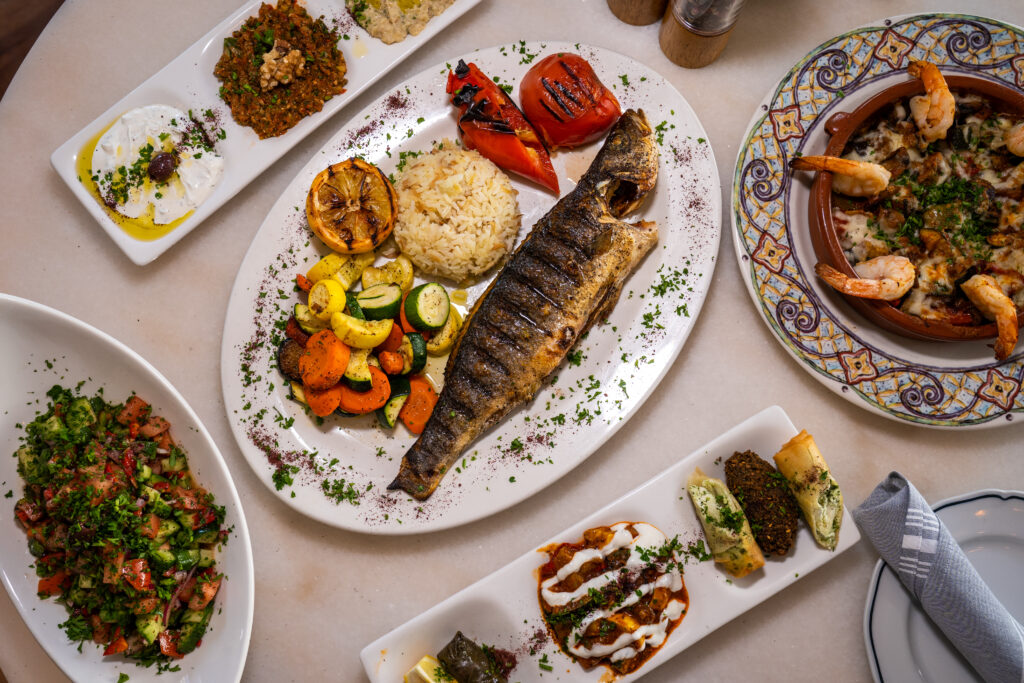
At Presidio Kebab, Mediterranean customers from various backgrounds finding satisfactory dolma indicates cross-cultural quality that transcends specific regional preferences. Good technique appeals to everyone who knows this dish.
For second and third-generation Mediterranean Americans, experiencing properly made dolma connects them to cultural heritage through taste. Food becomes cultural education and identity formation.
Stuffed Grape Leaves Nutritional Value
Dolma/sarma is relatively healthy – rice, vegetables, olive oil, herbs, minimal processing. Vegetarian versions are plant-based. Even meat versions are reasonably balanced with rice and vegetables.
My friend who tracks nutrition says dolma provides complex carbs from rice, healthy fats from olive oil, fiber from grape leaves and vegetables, herbs and spices with antioxidants. As indulgence foods go, it’s not problematic.
The portion control is built-in. Each piece is individual serving size. Eating 3-4 pieces as appetizer or 6-8 as meal provides reasonable portions without overindulgence.
For people wanting Mediterranean diet foods, stuffed grape leaves fit perfectly – olive oil-based, plant-forward, traditional preparation without processing or additives.
Traditional Dolma Serving Styles
Serving styles vary by culture and context. Greek dolmades often served cold with lemon wedges and sometimes yogurt or avgolomeno sauce. Turkish sarma might be served warm or room temperature with yogurt on side.
At Presidio Kebab, the serving approach respects Mediterranean traditions. The dolma comes appropriately garnished with lemon. Yogurt-based sauces available on side for those who want it.
My coworker Elif says serving temperature matters for taste. She prefers dolma at room temperature where flavors are most pronounced. Too cold mutes flavors. Too hot can make grape leaves too soft.
The lemon wedge allows individual control of acidity. Some people love lots of lemon juice squeezed over dolma. Others prefer minimal lemon. Providing lemon on side accommodates both preferences.
Dolma Making Cultural Knowledge
The knowledge of how to make proper dolma is typically passed through families, especially from grandmothers to younger generations. The techniques aren’t always written – they’re demonstrated and learned through doing.
At Presidio Kebab, whoever makes the dolma either learned from family tradition or worked very hard to replicate traditional methods. The results suggest genuine cultural knowledge rather than just following recipes.
My friend’s grandmother says you can tell when someone learned from family versus from cookbook. Family-taught cooking has intuitive adjustments and understanding of why each step matters. Recipe-followers miss nuances that experience teaches.
The generational knowledge transfer through cooking is how cultural food traditions survive. Restaurants maintaining these traditions help preserve cultural knowledge in diaspora contexts.
Stuffed Grape Leaves for Vegetarians
Traditional vegetarian dolma (zeytinyağlı sarma) is substantial satisfying food, not compromise or lesser version. The rice, nuts, herbs, and olive oil create complex flavors without needing meat.
My vegetarian friend says Mediterranean vegetarian foods are some of best because they’re traditional dishes, not modern meat-substitute inventions. Dolma has been vegetarian for centuries in certain preparations.
At Presidio Kebab, vegetarian dolma provides quality meat-free option that’s authentic and delicious. Not trying to imitate meat but offering traditional plant-based dish perfected over generations.
The protein from rice and pine nuts, fat from olive oil, fiber from grape leaves create balanced nutrition. Vegetarian doesn’t mean nutritionally deficient when traditional preparations are properly executed.
Turkish Sarma Regional Variations
Different regions of Turkey make sarma slightly differently. Black Sea region uses different greens sometimes. Aegean coast emphasizes olive oil and lemon. Southeastern Turkey might add spices influenced by Syrian border. These variations reflect regional ingredients and preferences.
At Presidio Kebab, the preparation represents general Turkish-Mediterranean approach rather than hyper-specific regional style. This accessibility allows people from various Mediterranean backgrounds to recognize and enjoy the dish.
My coworker says regional variations are endless. Her family from Trabzon makes sarma differently than her husband’s family from Izmir. Both claim theirs is “correct.” The diversity within Turkish cuisine alone is enormous.
The beauty of traditional dishes is they adapt to regional contexts while maintaining core identity. Sarma is recognizably sarma whether made in Istanbul, Thessaloniki, or Beirut, despite variations.
Dolma Quality Consistency Challenges
Maintaining consistent dolma quality is challenging. Hand-rolling means slight variations. Grape leaf size differences affect rolling. Rice cooking can vary. Many factors must align for consistent results.
At Presidio Kebab, the consistency seems reliable based on multiple visits and Alex’s grandmother’s ongoing approval through multiple family events. Maintaining quality when it’s labor-intensive hand-prepared food indicates good kitchen management.
My friend who worked in restaurants says consistency with traditional hand-prepared dishes is hardest aspect of restaurant cooking. Unlike assembly-line food with standardized ingredients and processes, traditional dishes require skilled judgment every time.
The fact that Alex keeps bringing restaurant dolma to family events repeatedly suggests consistent quality. One good batch isn’t impressive. Reliable quality over time is what matters.
Why Stuffed Grape Leaves Matter Culturally
For Mediterranean cultures, certain foods carry cultural weight beyond their ingredients. Dolma/sarma represents home, family, tradition, cultural identity. Getting it right matters emotionally and culturally.
My friend Alex’s grandmother’s approval represented more than just taste validation. It acknowledged that cultural food traditions can be maintained and respected outside family kitchens. That cultural continuity matters in diaspora.
At Presidio Kebab, Mediterranean customers’ emotional responses to proper dolma validate its cultural importance. When people taste food that reminds them of home, the response is often surprisingly emotional.
For younger generations, experiencing traditional foods properly made connects them to heritage. Food becomes bridge between generations and cultures, maintaining identity in multicultural contexts.
Authentic Dolma Worth Seeking
If you’re from Mediterranean culture missing proper stuffed grape leaves, or if you’re curious about traditional Mediterranean foods beyond the usual offerings, try dolma and sarma at Presidio Kebab.
Order them as appetizer or part of meze platter. Notice the tender grape leaf texture, the properly seasoned rice filling, the careful hand-rolling evident in uniform appearance. Squeeze lemon over them or try with yogurt on side.
Appreciate the labor involved – each piece individually assembled by hand, cooked carefully to achieve proper texture, served fresh. The effort required for quality dolma deserves recognition.
Understand why Mediterranean grandmothers are so critical about this dish – they’ve made it thousands of times and know every way it can go wrong. Getting their approval means something significant about quality and authenticity.
Compare restaurant dolma to other versions you’ve tried – jarred grocery store versions, other restaurants, maybe homemade. Notice how proper preparation creates completely different result. Sometimes the difference between good and mediocre is technique, care, and traditional knowledge.
Your appreciation for traditional Mediterranean foods will deepen. You’ll understand why certain dishes are cultural touchstones worth preserving and preparing properly. Stuffed grape leaves at Presidio Kebab prove that labor-intensive traditional foods can be done authentically in restaurant contexts. When the food is good enough to satisfy critical Mediterranean grandmothers, you know it’s the real thing.